The Art of Restaurant Design
Creating a memorable dining experience starts long before the food hits the table. Restaurant design plays a pivotal role in shaping how customers perceive your establishment and ultimately whether they return. Factors such as lighting, color palettes, and layouts can transform an ordinary dining room into a unique atmosphere that resonates with guests. For those looking to innovate, strategies ranging from utilizing slot online to planning dynamic events can be integrated within the design ethos to enhance overall customer satisfaction.
Creating Ambiance with Lighting
Lighting is one of the most influential elements in restaurant design. The right lighting can evoke feelings of comfort and intimacy while encouraging a relaxed dining experience. Dimmed lights combined with strategically placed accent lighting can highlight art or unique features on the walls, creating visual pathways that guide customers through the space. Beyond aesthetics, consider the functionality of the light; it should enhance the dining experience rather than detract from it. Adopting energy-efficient LED bulbs not only helps cut down on energy costs but also aligns with eco-friendly practices.
Choosing the Right Color Palette
The colors utilized in a restaurant can strongly influence mood and appetite. Warm colors like reds and oranges can stimulate appetite and increase energy levels, while cool colors like blues and greens evoke calmness and relaxation. The choice of color should be aligned with the type of cuisine served and the overall theme of the restaurant. For example, a fine-dining establishment may lean towards neutral tones and luxurious textiles, while a casual eatery might embrace vibrant hues and playful murals. It’s essential to create a cohesive look that communicates the restaurant's identity effectively.
Functional Layouts for Efficiency
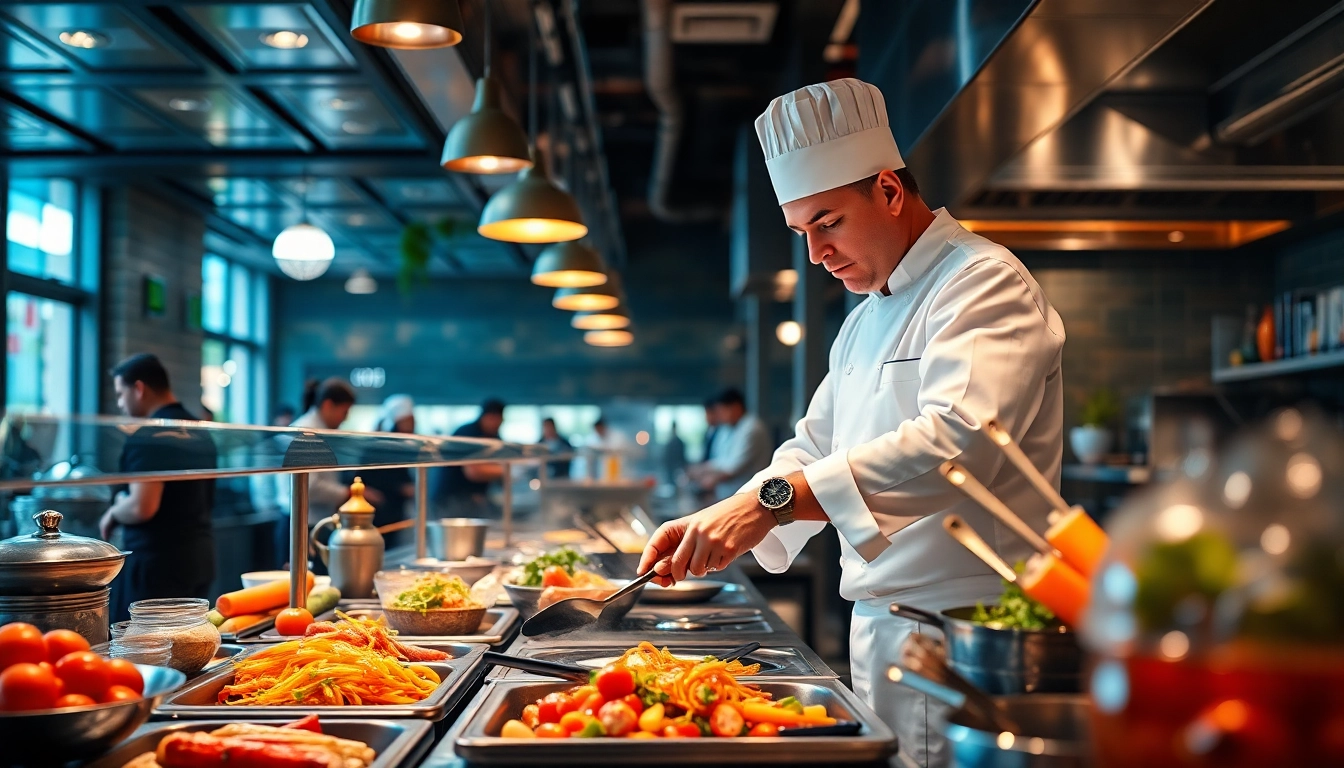
A well-planned layout is critical for the operational success of any restaurant. It should balance both customer comfort and kitchen efficiency. When designing the dining area, ensure that tables are spaced appropriately to allow for easy movement, while also fostering a sense of intimacy. Moreover, the proximity of the kitchen and service areas can significantly impact staff workflow. An open kitchen concept can add an element of transparency and engagement, allowing diners to connect more closely with the cooking process.
Menu Development Strategies
A thoughtfully crafted menu is essential for capturing the essence of a restaurant and showcasing its culinary identity. The development of this menu would ideally be a blend of creativity, market research, and strategic planning.
Incorporating Seasonal Ingredients
Using seasonal ingredients not only enhances flavor and freshness but also supports local farmers and reduces environmental impact. Menu items that change with the seasons can keep the dining experience exciting for returning customers. Additionally, incorporating local produce can serve as a marketing point, highlighting the restaurant’s commitment to sustainability. Creating seasonal specials allows chefs to experiment and can help reduce food costs since seasonal items are often more affordable.
Diverse Cuisines and Unique Flavors
Today's diners are more adventurous than ever and eager to explore diverse cuisines. Offering a menu that features unique flavors and unexpected combinations can differentiate a restaurant from competitors. This can involve infusing traditional dishes with modern techniques or introducing fusion cuisine that incorporates elements from various food cultures. Researching current dining trends and customer preferences can guide the direction of menu offerings, ensuring that they resonate with your target market.
Pricing and Portion Considerations
Deciding on menu prices requires a balance between competitiveness and profitability. Conducting a market analysis to understand pricing trends in your area can guide your approach. Additionally, portion sizes must align with customer expectations and dining concepts; generous portions in a casual restaurant may attract customers, while fine dining may focus on smaller, artfully presented dishes. Implementing value meal options can also attract families or groups, potentially increasing the average check size.
Enhancing Customer Experience
The dining experience is multifaceted, from the moment a customer enters the establishment to their exit. Creating memorable experiences requires a holistic approach that emphasizes personalized service, feedback, and innovative dining concepts.
Personalized Service Techniques
Customers today expect a level of service that acknowledges their preferences and personalizes their dining experience. Training staff to engage with guests, remember regulars’ preferences, and offer genuine recommendations can foster a welcoming atmosphere. Utilizing technology such as customer relationship management (CRM) systems to track preferences can assist in providing personalized experiences, ultimately leading to increased customer satisfaction and loyalty.
Utilizing Customer Feedback
Engaging with customers post-dining experience is vital. Leveraging platforms such as social media, review sites, and direct surveys can provide valuable insights into their experience. This feedback should be not only collected but also acted upon. Addressing concerns, implementing changes based on evaluations, and communicating these improvements can help build trust and show diners that their opinions matter.
Innovative Dining Concepts
Innovation is key in the restaurant industry, particularly as consumer interests evolve. Embracing concepts such as pop-up dining events, themed nights, or farm-to-table experiences can create excitement. Moreover, offering unique dining options like meal kits or cooking classes can engage customers beyond the dining experience. By staying adaptable and open to new ideas, restaurants can maintain relevance in a competitive market.
Marketing Your Restaurant Effectively
A well-executed marketing strategy is essential for attracting customers and building brand awareness. Your marketing efforts should be multi-faceted, utilizing tools from social media to email campaigns for maximum reach.
Utilizing Social Media Platforms
In today’s digital landscape, social media is often the first point of contact between potential customers and restaurants. Platforms like Instagram, Facebook, and TikTok can showcase menu items, behind-the-scenes content, and customer engagement. Strategies should focus on high-quality visuals, customer interactions, and user-generated content to build an authentic online presence. Regular posts and promotional campaigns can drive traffic and encourage visits to the restaurant.
Community Engagement and Events
Establishing a strong local presence is crucial for building a loyal customer base. Participating in community events, hosting food tastings, and engaging with local businesses can foster relationships and increase visibility. Collaborations with local charities and organizations for fundraising events can strengthen community ties and enhance your restaurant's reputation.
Email Marketing Campaigns
Email marketing remains one of the most effective methods for maintaining customer relationships. Regular newsletters can inform patrons of upcoming events, new menu items, and special offers. Utilizing segmentation can ensure that marketing messages are tailored to different customer interests, increasing engagement and the likelihood of repeat visits.
Measuring Success and Growth
To thrive in the competitive restaurant industry, it is essential to measure success through key performance indicators (KPIs) and implement strategies for continuous improvement.
Key Performance Indicators
Measuring success involves monitoring specific KPIs such as average check size, table turnover rates, and customer satisfaction scores. These metrics can provide insights into operational efficiency and financial health. Using analytics tools to track these indicators allows for informed decision-making and strategic adjustments to enhance performance.
Customer Retention Strategies
Acquiring new customers is vital, but retaining them is equally essential for sustainable growth. Loyalty programs, personalized offers, and gathering feedback can increase customer retention. A thoughtful approach that prioritizes customer relationships and satisfaction can result in repeat business, ultimately boosting overall success.
Adaptation to Market Trends
In a fluctuating market, adaptability is key to long-term success. Continuous research into emerging trends, changing consumer preferences, and economic factors is crucial. Staying ahead of these trends will enable restaurants to adjust offerings and operational strategies proactively, ensuring ongoing relevance and competitive advantage.
Frequently Asked Questions
What is the importance of restaurant design?
Restaurant design impacts overall ambiance and customer experience, influencing their likelihood of returning. Thoughtful design considers aesthetics, functionality, and customer comfort.
How can I incorporate seasonal ingredients in my menu?
Utilizing local farmers and produce markets ensures you have fresh seasonal ingredients. Update your menu regularly to feature these items, attracting returning customers.
What are key marketing strategies for restaurants?
Effective strategies include leveraging social media, engaging in community events, and maintaining an active email marketing campaign to establish connections with customers.
How do I improve customer retention?
Offer loyalty programs, personalized service, and actively request customer feedback to create a welcoming atmosphere that encourages repeat visits.
What KPIs should I monitor for my restaurant?
Monitor average check size, table turnover rates, and customer satisfaction metrics to measure operational success and inform strategic adjustments.