Understanding the Essence of Breton Culture
Breton culture is a rich tapestry woven with history, language, art, and community spirit. This vibrant culture emanates from Brittany, a region in northwest France known for its unique traditions and heritage. The essence of Breton culture is marked by a profound connection to the land, sea, and the Celtic identity that has thrived for centuries. In an era where global influences are pervasive, it has become increasingly important to celebrate and preserve this cultural distinctiveness. For those looking to deepen their understanding of this culture, resources like เกมสล็อต provide comprehensive insights into the cultural landscape of Brittany.
What Defines Breton Culture?
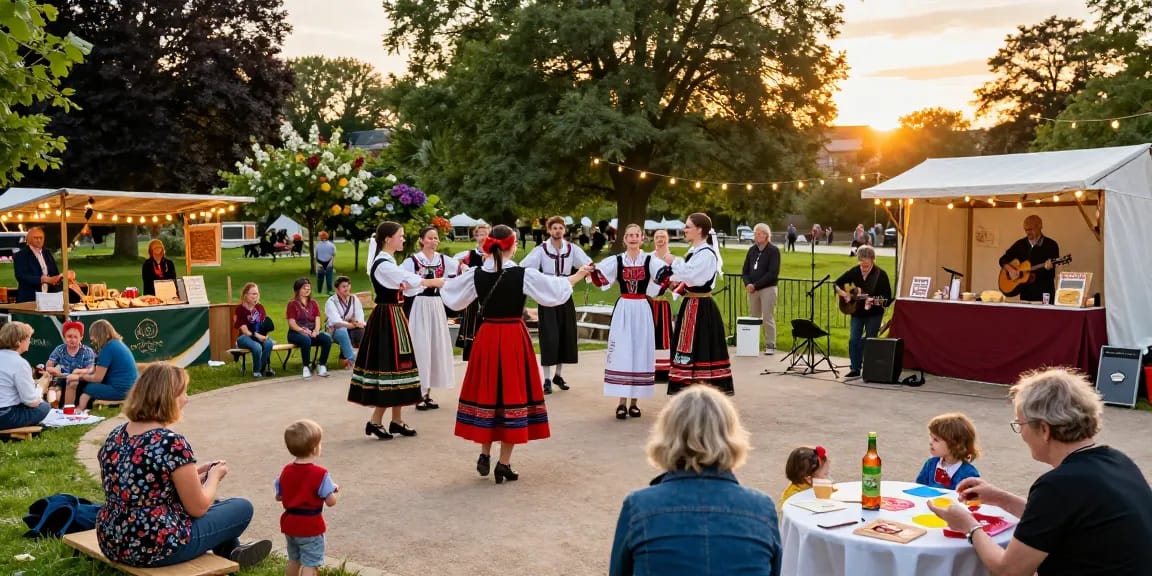
Breton culture is defined by its language, traditional music, dance, and culinary practices. The Breton language, a Celtic tongue, is a vital component of local identity. It is not only a means of communication but also a vessel for stories, folklore, and traditions passed down through generations. Music and dance are equally significant, with festoù-noz (night festivals) where musicians and dancers celebrate the region's heritage. Additionally, the local cuisine, featuring dishes like crêpes and seafood, reflects the bounty of the region's land and sea, further embedding the Bretons' distinct identity.
Key Historical Influences on Modern Breton Culture
The evolution of Breton culture is deeply rooted in a blend of historical influences. From its early Celtic origins through the medieval period, Brittany has been shaped by invasions, trade, and religious movements. The region's ties to the sea not only facilitated trade but also brought in ideas and practices from other cultures, enriching Breton identity. The French Revolution and subsequent national policies towards regional cultures led to a resurgence of Breton nationalism, igniting efforts to revive the language and customs that define contemporary Breton culture.
Current Trends in Breton Arts and Heritage
Today, there is a renaissance in Breton arts and heritage, characterized by a resurgence of traditional crafts and contemporary interpretations of classic forms. Artists and craftsmen are increasingly collaborating to create works that honor traditional practices while embracing modern techniques. This blend can be seen in visual arts, music, and theater, where modern Breton artists incorporate historical themes or use traditional instruments to create new sounds that resonate with younger generations. Events and festivals play a crucial role in supporting this cultural revival, providing platforms for artists to showcase their work and connect with audiences.
Exploring the Mercredis du Thabor Festival
The Mercredis du Thabor Festival is a cornerstone event aimed at promoting Breton culture through art, music, and community engagement. This annual festival takes place in the picturesque Park du Thabor, offering a series of engaging activities every Wednesday throughout July. With live performances, workshops, and exhibitions, the festival serves as a vibrant hub for cultural exchange and celebration. Each year, the program includes various genres of music, from traditional folk to contemporary interpretations, inviting both local and national artists to participate.
Overview of the Festival Objectives and Activities
The primary objective of the Mercredis du Thabor Festival is to foster appreciation for Breton culture among diverse audiences. By providing a platform for artists and artisans, the festival not only highlights local talent but also invites interaction from visitors, encouraging a deeper understanding of Breton heritage. The activities range from music performances and art exhibitions to dance workshops, allowing participants to experience Breton culture in dynamic ways. The festival is designed to be inclusive, welcoming families, tourists, and the local community to engage with the arts.
Key Highlights and Performances in 2026
In 2026, the Mercredis du Thabor Festival promises to feature an exciting lineup of artists across various genres. Expect performances from renowned Breton musicians, local bands, and emerging artists who represent the new wave of Breton creativity. Each evening will culminate in a major performance that encapsulates the spirit of the festival, offering both entertainment and education. Specific highlights include collaborations between traditional artists and contemporary musicians, showcasing how Breton music evolves while remaining rooted in its rich history.
How the Festival Engages the Community
Community engagement is at the heart of the Mercredis du Thabor Festival. By actively involving local residents in the planning and execution of the event, the festival fosters a sense of ownership and pride in cultural heritage. Workshops designed for all ages encourage participation, allowing community members to learn traditional crafts and dance. Moreover, local businesses often participate by providing food and crafts, thus showcasing the region's culinary and artisanal offerings while supporting the local economy.
Promoting Local Artists and Craftspeople
Supporting local artists and craftspeople is essential for preserving and promoting Breton culture. Many organizations and festivals, such as the Mercredis du Thabor, aim to highlight the work of local creators, providing them with valuable exposure and opportunities for collaboration. This not only keeps traditional practices alive but also propels the local economy by drawing attention to the unique arts and crafts of the region.
Spotlighting Emerging Breton Artists
Emerging Breton artists are increasingly recognized for their innovative contributions to the cultural landscape. These artists draw inspiration from their heritage while experimenting with new mediums and styles. Exhibitions and events play a significant role in promoting their work, allowing them to gain visibility in a crowded art scene. Collectively, they are pushing the boundaries of what constitutes Breton art, making it relevant and appealing to contemporary audiences.
Collaboration Opportunities for Local Creators
Collaboration among local creators is vital for fostering a vibrant artistic community. Initiatives that connect musicians, visual artists, and craftspeople enable the sharing of ideas and resources, leading to richer cultural expressions. Workshops and collaborative projects can spark creativity, encourage skill-sharing, and ultimately result in innovative artworks that celebrate Breton identity. Additionally, collaboration with venues and festivals provides local artists with crucial platforms for showcasing their work to wider audiences.
The Economic Impact of Supporting Local Talent
Investing in local artists and craftspeople has profound economic benefits for the region. Cultural events contribute significantly to tourism, drawing visitors keen to experience authentic Breton culture. By supporting local talent, the region can enhance its cultural offerings, which in turn attracts more visitors and generates revenue. Moreover, a thriving arts scene creates jobs and sustains local businesses, fostering a sense of community pride and identity.
How to Participate in Breton Cultural Events
Engaging with Breton cultural events offers a unique opportunity to experience the region's rich heritage firsthand. From festivals to workshops, there are various ways for individuals to immerse themselves in Breton culture. Whether you are a local resident or a visitor, participating in these events can provide a deeper appreciation for the traditions and practices that define Brittany.
Tips for Attending Cultural Festivals
Attending cultural festivals can be a delightful experience filled with discovery. To make the most of your visit, consider the following tips:
- Plan Ahead: Review the festival schedule online to prioritize performances and workshops that interest you.
- Arrive Early: Get there early to explore the venue, find the best spots for performances, and enjoy the local food stalls.
- Engage with Artists: Take the time to speak with artists and craftspeople to learn about their work and the stories behind it.
- Participate in Workshops: Hands-on workshops provide a unique experience and allow you to learn traditional skills directly from experts.
Volunteer Opportunities with Local Organizations
Many cultural events rely on enthusiastic volunteers to help with various tasks, from logistics to promotions. Volunteering at these events can be a rewarding way to connect with the local community, learn more about Breton culture, and gain valuable skills. Interested individuals can reach out to local organizations or festival organizers to inquire about volunteer opportunities.
Connecting with Local Cultural Groups
Joining local cultural groups can provide ongoing engagement with Breton culture outside of festivals. Many organizations host regular meetings, workshops, and performances where individuals can learn about the language, music, and arts of Brittany. Becoming a member of these groups can enhance your understanding and appreciation of the region's heritage, while also allowing you to meet like-minded individuals.
Future of Breton Culture and Festivals
As we look toward the future, the preservation and promotion of Breton culture will continue to evolve. Emerging technology and changing societal trends present both challenges and opportunities for cultural celebrations. The focus will increasingly be on sustainability, inclusivity, and innovation in how cultural events are organized and celebrated.
Emerging Trends in Cultural Celebrations
Future cultural celebrations in Brittany are likely to be more inclusive and environmentally conscious, reflecting broader societal shifts towards sustainability. Events may incorporate digital elements, such as virtual performances and interactive online workshops, allowing for greater participation and engagement. Emphasizing eco-friendly practices will also become a priority, as festivals seek to minimize their environmental impact while promoting local culture.
How Technology is Shaping Future Festivals
Technology is becoming an integral part of the festival experience, enhancing accessibility and engagement. Future festivals may utilize apps for scheduling, artist bios, and interactive maps, making it easier for attendees to navigate events. Moreover, the rise of social media will continue to allow for real-time sharing of experiences, expanding the reach and visibility of Breton culture beyond geographical boundaries.
Preserving Breton Heritage for Future Generations
To ensure that Breton heritage is preserved for future generations, it is essential to actively engage younger communities in cultural practices. By instilling pride and knowledge about their heritage, initiatives can encourage the youth to participate in traditional arts and crafts. Education plays a pivotal role, with schools incorporating local culture into their curricula, fostering a sense of identity and continuity.
What are the main events of the Mercredis du Thabor?
The Mercredis du Thabor features a variety of events, including live music performances, art exhibitions, craft workshops, and culinary tastings, all designed to celebrate and promote Breton culture.
How can I get involved with local Breton culture?
Engaging with local Breton culture can be achieved through attending festivals, joining cultural organizations, volunteering, or participating in workshops that highlight traditional practices.
What are the benefits of attending cultural festivals?
Attending cultural festivals allows for a deeper appreciation of local traditions, the opportunity to meet artists and creators, and engagement in enriching community experiences.
How is Breton culture promoted outside of Brittany?
Breton culture is promoted outside of Brittany through various cultural events, collaborations with other regions, and the use of digital platforms that share music, art, and language with a wider audience.
What can we expect for Breton cultural festivals in 2026?
In 2026, we can expect Breton cultural festivals to focus on inclusivity, sustainability, and innovative programming that embraces both traditional and contemporary elements of Breton culture.