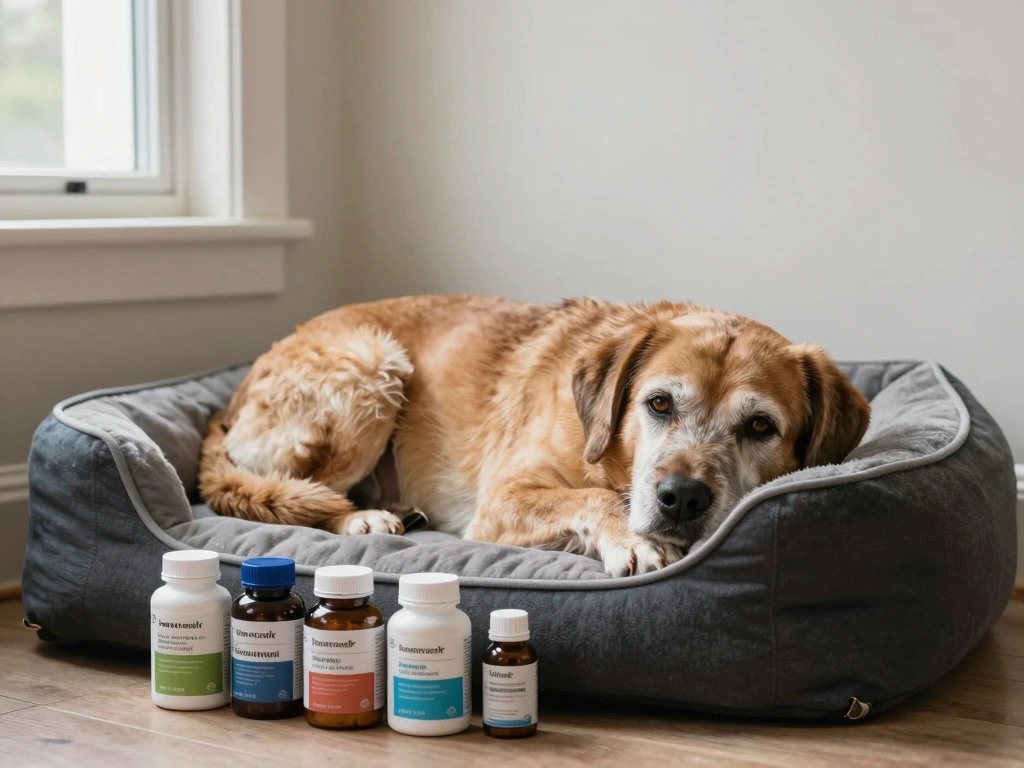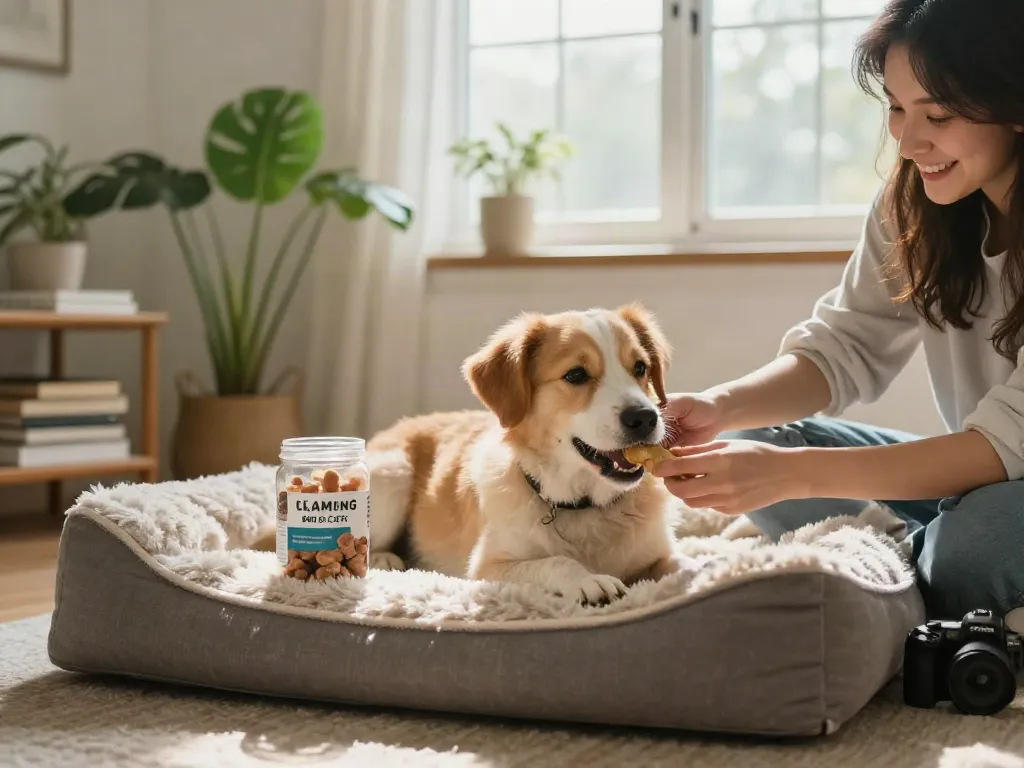
Understanding Canine Stress and Anxiety
In today's fast-paced world, dogs experience a variety of stressors that can lead to anxiety and behavioral issues. It's crucial for pet owners to recognize these stressors and understand how to help their furry friends cope. Many pet owners are turning to Calming Dog Treats as a proactive solution to support their pets' emotional well-being. This article delves into the causes of canine anxiety, the effectiveness of calming treats, and how to choose the right products for your dog.
What Causes Stress in Dogs?
Dogs can experience stress for various reasons, including changes in their environment, loud noises, separation from their owners, or interactions with unfamiliar people and animals. Understanding these triggers is essential for providing appropriate support. Common causes of stress in dogs include:
- Environmental changes (moving homes, new family members)
- Noise phobias (thunderstorms, fireworks)
- Separation anxiety when left alone
- Travel-related stress during car rides
- Negative experiences at the vet or groomer
Signs Your Dog May Need Calming Solutions
Recognizing the signs of stress and anxiety in dogs is vital for timely intervention. Some common signs include:
- Excessive barking or whining
- Pacing or restless behavior
- Destructive chewing or digging
- Hiding or avoiding interaction
- Changes in appetite or digestive issues
If your dog exhibits these behaviors, it may be time to consider calming solutions, such as specially formulated treats that provide nutritional support for stress management.
Common Misconceptions About Calming Dog Treats
Many pet owners have misconceptions about calming treats. One common myth is that these treats act as sedatives. However, calming dog treats aim to provide support for emotional balance without inducing drowsiness. Instead of sedating the dog, they work to regulate mood and stress, allowing for a more composed response to anxiety-provoking situations.
How Calming Dog Treats Work
Calming dog treats are formulated with specific active ingredients designed to support a dog's emotional health. These treats focus on providing essential nutrients that the dog's body may need, particularly in stressful situations. The key is consistency; regular feeding can help build a more stable emotional state over time.
Active Ingredients in Calming Dog Treats
The formulation of HighV Calm & Relax Dog Treats includes a blend of six active ingredients that work synergistically to promote calmness:
- Valerian Root (30mg): Known for its calming properties, valerian root has a long history of use for relaxation in both humans and dogs.
- Lemon Balm (20mg): This herb helps soothe nervous tension and can improve a dog's mood.
- L-Theanine (20mg): Found in green tea, this amino acid supports relaxed alertness, keeping the dog calm yet focused.
- L-Tryptophan (20mg): An essential amino acid that contributes to serotonin production, promoting emotional balance.
- Magnesium Citrate (10mg): This mineral is crucial for nerve function and helps alleviate physical symptoms of stress.
- Ashwagandha Root (10mg): An adaptogen that aids the body in handling ongoing stress, beneficial for dogs that are regularly anxious.
The Science Behind Stress Relief
The combination of these ingredients provides comprehensive support. Valerian root and lemon balm address immediate anxiety, while L-theanine and L-tryptophan work to regulate mood over time. Moreover, magnesium citrate and ashwagandha help strengthen the dog’s resilience to stress. Together, they create a balanced approach to managing canine anxiety.
How Long Do Calming Dog Treats Take to Work?
While some pet owners might expect immediate results from calming dog treats, it's essential to give these products time to build their effects. Typically, owners should observe a gradual improvement in their dog's behavior over two to four weeks of consistent daily feeding. For specific events, such as fireworks or vet visits, giving the treats one to two hours beforehand can help.
Choosing the Right Calming Dog Treats
With numerous products available on the market, selecting the right calming dog treats can feel overwhelming. However, there are distinct factors to consider when making your choice.
Calming Dog Treats vs. Other Solutions
Calming dog treats are just one option in a broad range of anxiety management strategies. Other solutions may include behavioral training, creating a stress-free environment, or using calming products like sprays and collars. Unlike some alternatives that may only focus on a single ingredient, HighV Calm & Relax combines multiple active components for a well-rounded approach to anxiety relief.
Factors to Consider When Selecting Treats
When choosing calming dog treats, consider the following:
- Active Ingredients: Look for treats with a range of effective ingredients, as they offer comprehensive support.
- Consistency: Regular feeding is crucial for optimal results; select treats designed for daily use.
- Palatability: Ensure your dog enjoys the flavor of the treat to encourage compliance.
- Specific Needs: Assess whether your dog needs support for situational anxiety or ongoing stress.
Feeding Guidelines for Optimal Results
To achieve the best results with calming treats, follow these feeding guidelines:
- For everyday calming, feed the daily recommended amount consistently.
- For known stressors, administer the daily dose one to two hours before the stressful event.
- Allow two to four weeks of daily feeding to assess the full effects on your dog's behavior.
Best Practices for Managing Dog Anxiety
Incorporating calming treats into a broader strategy for managing anxiety is essential for supporting your dog's emotional well-being.
Integrating Calming Treats into Your Dog’s Routine
Creating a consistent routine can significantly help your dog feel more secure. Incorporating calming treats into mealtime or designated snack times ensures that your dog associates these treats with regular, anticipated events, ultimately reducing anxiety levels.
Combining Treats with Behavioral Training
While calming treats can provide nutritional support, they work best in conjunction with behavioral training. Positive reinforcement techniques can help dogs learn to cope with anxiety-inducing situations more effectively. Consider working with a professional trainer to develop a comprehensive training plan that addresses your dog's specific needs.
Creating a Stress-Free Environment for Your Dog
Establishing a safe, quiet space where your dog can retreat when feeling overwhelmed is crucial for managing anxiety. This area can be equipped with familiar items, such as a favorite bed or blanket, to provide comfort during stressful times. Additionally, using white noise machines or calming music can help mask disruptive sounds that may trigger anxiety.
Future Trends in Canine Anxiety Solutions
As awareness of canine anxiety increases, the pet industry continues to innovate in the area of stress relief solutions for dogs. Several trends are emerging that could shape the future of calming products.
Emerging Ingredients in Calming Dog Treats
New ingredients with potential calming properties are being investigated for inclusion in future formulations. Ingredients such as chamomile, passionflower, and even novel amino acids are gaining attention for their potential benefits in managing dog anxiety. As research progresses, pet owners may find a wider variety of options at their disposal.
Veterinarian Recommendations for 2026
Veterinarians are likely to increasingly recommend integrative approaches that combine dietary supplements with behavioral training. As the understanding of canine emotions deepens, professional guidance will become essential for pet owners seeking to support their dogs' mental health effectively.
Innovations in Dog Care Products
Emerging technologies, such as wearable devices that monitor stress levels in dogs, represent a significant advancement in pet care. These innovations can provide real-time feedback on a dog's emotional state, allowing owners to adjust their strategies accordingly.
Do Calming Dog Treats Really Work?
The effectiveness of calming dog treats can vary from one dog to another. However, many dog owners report positive changes in their pets' behavior, especially when the treats are incorporated into a consistent routine. It's essential to remember that treats are not a cure-all and should be part of a broader strategy to address anxiety.
Can I Give Calming Dog Treats to My Puppy?
Yes, calming dog treats can be given to puppies over 12 weeks of age. However, care should be taken to ensure that the dosage is appropriate for their size and weight. Early socialization and routine play a more significant role in puppy development, but calming treats can help ease anxiety during stressful introductions or experiences.
Are Calming Treats Safe for Senior Dogs?
Senior dogs often experience increased anxiety due to changes in their senses or overall health. Calming dog treats can help provide relief; however, it's advisable to consult with a veterinarian regarding any specific health concerns or medications, especially if your senior dog is on prescription medication.
What Happens If My Dog Eats Too Many Treats?
While calming treats are designed to be safe, consuming excessive amounts may lead to mild gastrointestinal upset or a drowsy state. If a dog rapidly consumes a large quantity, it's best to contact a veterinarian for advice.
How Far Ahead of Stressful Events Should I Start Using Treats?
For best results, begin feeding calming treats at least two to four weeks before anticipated stressful events, such as fireworks or trips to the groomers. This practice allows the active ingredients to build up in the dog's system for a more effective response when it matters most.
Why Are Ingredient Amounts Important?
Clear labeling of ingredient amounts is essential for evaluating the efficacy of calming dog treats. Many brands list a "proprietary blend" without disclosing specific quantities, which can make it challenging to compare products. Choosing treats with transparent ingredient labels, like HighV Calm & Relax, ensures that pet owners understand exactly what they are giving their dogs.