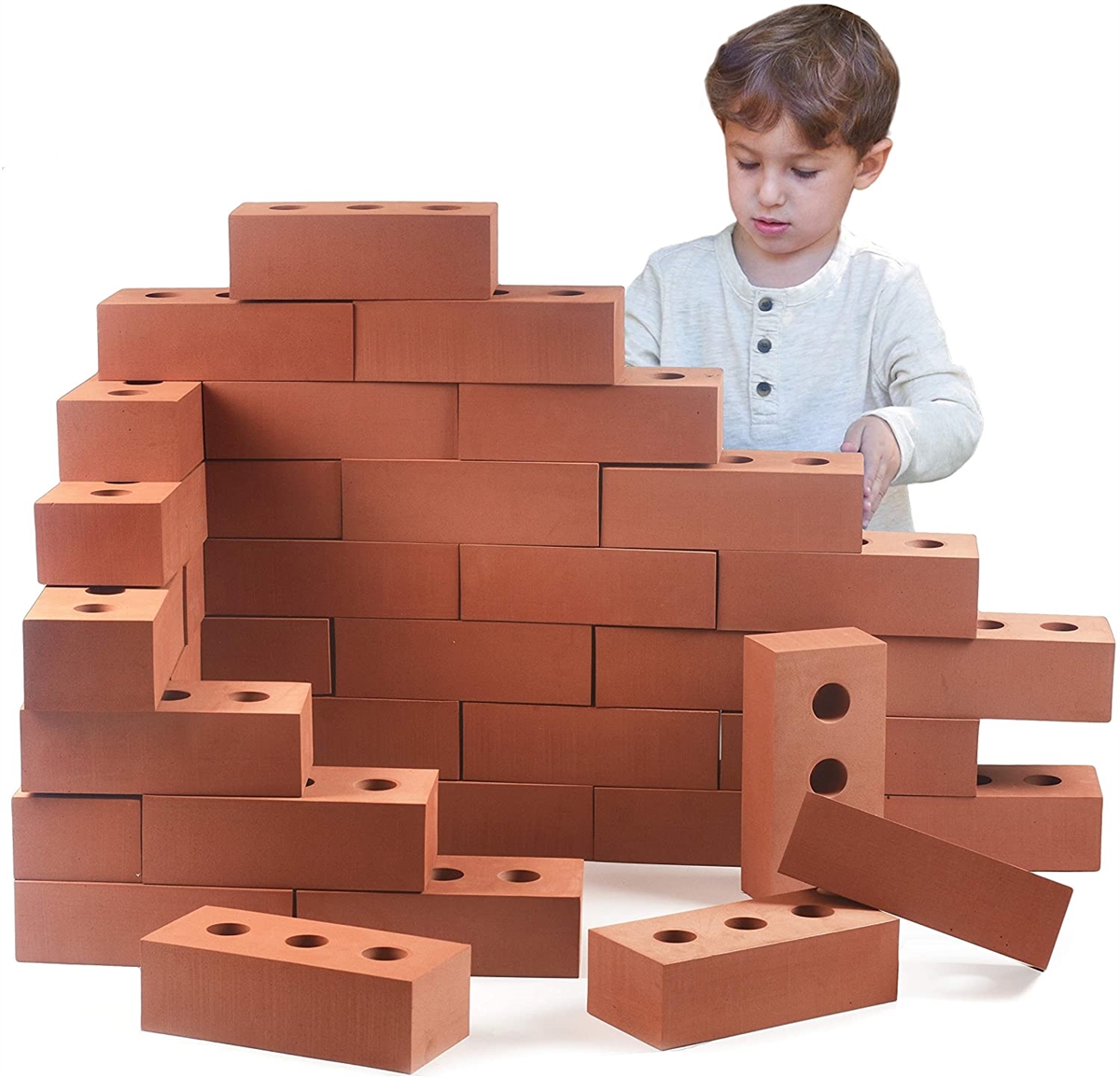
Introduction to Giant Building Blocks
Giant building blocks have emerged as a favorite playtime accessory for children, as they stimulate creativity and provide limitless possibilities for imaginative play. Designed for versatility, these oversized blocks not only serve as building materials but also as educational tools that enhance various developmental skills. For those interested in deepening their understanding of this exciting subject, discover more about how these colorful toys can transform indoor adventures.
What are Giant Building Blocks?
Giant building blocks are large, interlocking pieces typically made from materials like foam, plastic, or soft rubber. They come in various shapes and sizes, allowing young builders to stack, construct, and create structures of all kinds. Unlike traditional building blocks, their size facilitates collaborative play and fosters social interaction among children, making them a vital tool for group learning.
Benefits for Children's Development
The benefits of using giant building blocks in playtime extend far beyond simple entertainment. Research indicates that building play promotes essential developmental skills such as:
- Fine and Gross Motor Skills: Manipulating large blocks helps children enhance their grip and hand-eye coordination, contributing to their overall physical development.
- Cognitive Skills: Planning and executing a structure encourages strategic thinking and problem-solving abilities as children learn to visualize their ideas.
- Social Skills: Collaborative building fosters teamwork and communication skills, as children must negotiate ideas and share tasks.
- Creativity: Building blocks serve as a canvas for imagination, allowing children to express themselves freely through their constructions.
Safety Considerations for Indoor Play
When it comes to safety, giant building blocks are generally designed to be soft and lightweight. However, certain precautions should be taken to ensure a safe play environment:
- Always supervise children during play, especially younger ones who may be prone to falls.
- Clear any nearby obstacles to create a safe building area.
- Regularly inspect the blocks for signs of wear and tear.
Getting Started with Giant Building Blocks
Selecting the Right Blocks for Your Space
Choosing the right blocks begins with evaluating your available space. Consider the following:
- Size: Larger blocks may require more room for movement; small living areas may benefit more from a variety of medium-sized blocks.
- Material: Look for blocks made from non-toxic materials, especially if they are used indoors; foam blocks can be a safer choice for younger children.
- Variety: An assortment of shapes enhances creative play by allowing for diverse structures.
Tips for Setting Up an Indoor Play Area
Creating a designated play area for giant building blocks enhances focus and encourages children to engage actively with the blocks. Here are some tips:
- Choose a spacious room with soft flooring or place a large play mat to cushion falls.
- Organize the blocks in bins or shelves to maintain an orderly environment and make it easy for children to access them.
- Incorporate other toys that promote balance and motor skills, such as balancing boards or soft balls, to diversify play.
Incorporating Educational Elements into Play
Giant building blocks can serve as an educational tool throughout play. Here are ways to weave learning into the experience:
- Introduce Basic Mathematics: Use the blocks to teach simple addition or subtraction by grouping them and counting.
- Explore Geometry: Discuss shapes and angles as children construct various structures, enhancing their understanding of spatial relationships.
- Encourage Storytelling: As structures are built, encourage children to create stories around their creations for an immersive learning experience.
Creative Building Techniques
Basic Structures: A Step-by-Step Guide
Building simple structures can help children gain confidence in their building skills. Here’s a guide for creating a basic tower:
- Start with a flat base to ensure stability.
- Layer blocks in alternating patterns—use different colors or shapes to make it visually engaging.
- Encourage children to experiment with height; once completed, discuss the building process, highlighting what worked and what didn’t.
Advanced Techniques for Impressive Designs
For those ready to take their building skills to the next level, consider these advanced techniques:
- Archways and Bridges: Teach the basics of structural integrity by building arched doorways or bridging gaps.
- Multi-Level Structures: Encourage the combination of blocks in layers to create buildings with walls and roofs, enhancing spatial awareness.
- Theme-Based Constructions: Designate a project for the day, such as building a castle, spaceship, or town, which can enhance storytelling and creativity.
Theme Ideas for Structured Playtime
Thematic play can transform building sessions into exciting adventures. Here are some thematic ideas:
- Cityscapes: Create a miniature city with roads, bridges, and parks using blocks.
- Space Exploration: Construct a rocket and planets to ignite interest in astronomy.
- Wildlife Habitat: Build landscapes that represent different habitats, like jungles or deserts, for educational fun.
Enhancing Playtime Experiences
Integrating Storytelling with Building Activities
Incorporating storytelling into construction play adds depth and engagement. Here are ways to enhance storytelling:
- Encourage children to narrate a story as they build, linking the narrative to their structure.
- Create character figurines using other materials, then involve them in the storytelling process as they interact with the created environment.
- Record the stories as children narrate, so they can revisit their narratives later, reinforcing memory and comprehension.
Collaborative Play: Group Building Projects
Building together not only fosters communication and teamwork but also creates an opportunity for shared success:
- Organize group challenges with a specific goal (build the tallest tower, for example), encouraging children to strategize.
- Assign roles to each child, such as designer, builder, or quality controller, emphasizing the importance of teamwork.
- Review the finished projects together, discussing the experience and what they learned about collaboration.
Creating Challenges and Competitions
Introducing competitive elements can motivate children and make playtime more exciting:
- Set time limits for building tasks to encourage quick thinking and decision-making.
- Introduce “blind building,” where children must create a structure without seeing the blocks first, promoting ingenuity.
- Celebrate originality with awards for categories like “Most Creative” or “Tallest Structure” to recognize effort and innovation.
Maintaining and Extending the Fun
Caring for Your Giant Building Blocks
To ensure the longevity of giant building blocks, maintenance is crucial. Here are care tips:
- Regularly clean the blocks with mild soap and water to remove dirt and germs.
- Store blocks in a dry, cool area to prevent warping or damage.
- Inspect blocks frequently for cracks or tears and replace those that are damaged.
Adapting Play for Various Age Groups
As children grow, their play needs change. Here’s how to adapt giant block play:
- For toddlers, use larger blocks that are easy to handle and less likely to cause harm.
- For preschoolers, introduce more complex structures while adding educational elements to enhance cognitive growth.
- For school-age children, provide challenges and competitions that incorporate critical thinking and creativity.
Expanding Your Collection: Adding New Elements
To keep playtime fresh and engaging, consider expanding your block collection. Here’s how:
- Add new block shapes or materials, such as translucent blocks or blocks with unique textures.
- Incorporate other building materials like cardboard boxes, tape, or ropes to expand creative possibilities.
- Rotate the play area or introduce new themes regularly to keep things exciting.
Frequently Asked Questions
What age group is best for giant building blocks?
Giant building blocks are suitable for children aged 1 and up, with various sizes available for different developmental stages.
Are giant building blocks safe for indoor use?
Yes, most giant building blocks are designed for indoor play and are made from soft, non-toxic materials to ensure safety.
How can I clean giant building blocks?
Clean giant building blocks with warm soap and water; ensure they are thoroughly dried before storage to prevent dampness.
Can giant building blocks help with educational learning?
Absolutely! They can promote learning in math, science, and creative storytelling through imaginative play.
What's the best way to store giant building blocks?
Store blocks in a cool, dry place, ideally in bins or racks to keep them organized and accessible for playtime.