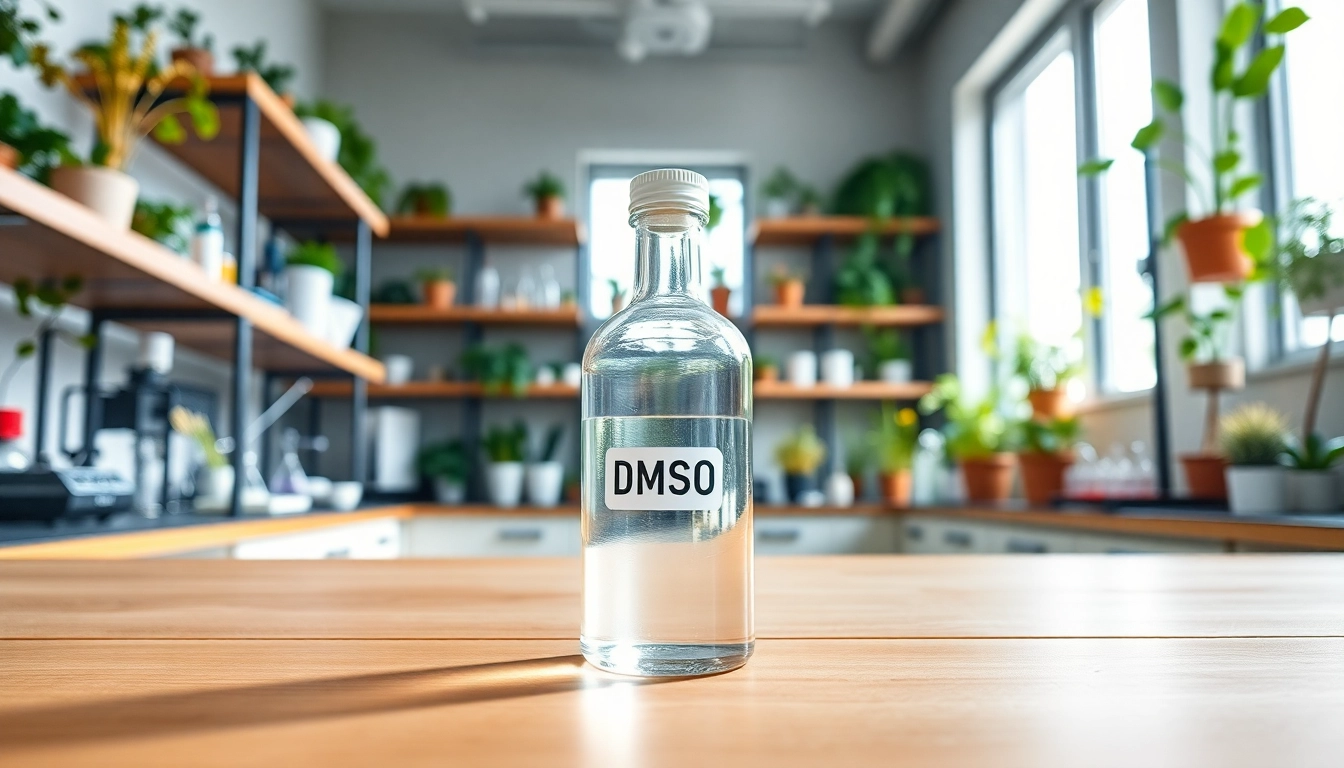
What is DMSO Organic?
Definition and Origin
Dimethyl sulfoxide, commonly known as DMSO, is an organic compound derived from lignin, a natural polymer found in plant cell walls. Unlike many synthetic chemicals in the market, DMSO is notable for its natural origin, making it a standout choice for those seeking organic materials. Its production involves a complex extraction process where lignin is subjected to various levels of pressure and temperature, leading to the formation of DMSO as a clear, colorless liquid.
Properties of DMSO Organic
One of the remarkable characteristics of DMSO is its high polarity, which contributes to its unique ability to dissolve both polar and nonpolar compounds. This feature makes it versatile in applications ranging from pharmaceuticals to industrial uses. DMSO boasts a low melting point of about 18.5 °C (65.3 °F) and can be utilized in a wide variety of temperature ranges without losing efficacy. Furthermore, it has a high boiling point of around 189 °C (372 °F), which allows it to be effective in numerous chemical processes. Its capacity as a solvent makes it an invaluable tool in various scientific and commercial sectors.
Why Choose DMSO Organic?
The primary reason to choose DMSO organic is its inherent safety and compatibility with natural systems. Many pharmaceutical and industrial solvents are synthetic and can introduce harmful chemicals into the environment. By opting for dmso organic, users can minimize potential adverse effects on health and the environment. Additionally, DMSO is non-toxic, biodegradable, and possesses anti-inflammatory properties, making it an attractive alternative for those looking for natural solutions.
Benefits of DMSO Organic
Health and Wellness Uses
DMSO is widely recognized for its applications in health and wellness. Its ability to penetrate the skin and other biological membranes facilitates the delivery of drugs and other compounds directly to affected areas. For example, individuals suffering from joint pain or inflammation may find relief from topical DMSO applications, as it can help reduce pain and swelling. Studies have indicated that DMSO can also alleviate osteoarthritis symptoms, promoting enhanced mobility and comfort.
Industrial Applications
Beyond personal health, DMSO plays a significant role in various industrial applications. Its excellent solvent properties make it useful in chemical synthesis and extraction processes. The pharmaceutical industry utilizes DMSO as a carrier for drugs, enhancing their solubility and bioavailability. In the agricultural sector, DMSO is often employed to formulate pesticides and herbicides, improving their effectiveness. Furthermore, due to its unique ability to dissolve a wide range of organic compounds, DMSO is a crucial component in laboratories, particularly in organic synthesis.
Natural Solvent Advantages
When discussing solvents, environmental impact becomes a significant consideration. DMSO organic stands out as a greener alternative compared to many conventional solvents that can be harmful to the environment. Its biodegradability means that when it is released into nature, it will not persist like synthetic solvents. Moreover, DMSO does not produce hazardous vapors, leading to safer working conditions in laboratories and industrial settings. The natural origin and safe profile of DMSO make it an attractive choice for eco-conscious consumers and businesses.
How to Safely Use DMSO Organic
Recommended Dosages
When using DMSO for therapeutic purposes, the dosage largely depends on the intended application. It is crucial to start with a small amount and gradually increase it based on individual tolerance and effectiveness. For topical applications, a common concentration is between 50% and 70%. However, it is recommended to consult with a healthcare professional for dosing guidance tailored to specific conditions. The thorough understanding of one’s health status is essential before beginning any DMSO regimen.
Potential Side Effects
While DMSO is generally considered safe, there can be side effects, especially if misused. Common reactions can include skin irritation, redness, or a burning sensation upon application. In some cases, people may experience a garlicky taste in their mouth or a distinct body odor, which is harmless but can be unpleasant. Severe reactions, although rare, can include dizziness or headaches. Those with sensitive skin or existing health conditions should exercise caution and consult a healthcare provider before use.
Application Techniques
When applying DMSO, proper techniques significantly enhance its efficacy and minimize side effects. It is vital to ensure the skin is clean and free of other substances, such as lotions or creams, before application. Topical use typically involves rubbing a small amount of DMSO directly onto the affected area until fully absorbed. For therapeutic use, some individuals may find it beneficial to mix DMSO with other natural oils or products to improve its moisturizing properties. Always perform a patch test to check for sensitivity before widespread application.
DMSO Organic vs. Other Solvents
Comparative Purity
When evaluating the purity of DMSO organic, it is essential to understand its composition in comparison to traditional solvents. DMSO can be produced to a high purity standard, commonly reaching 99.9%. In contrast, many synthetic solvents often contain residual chemicals or impurities that compromise their effectiveness or safety. The superior purity of DMSO organic makes it an ideal choice, ensuring that users are working with a product that meets high standards of quality and reliability.
Effectiveness in Various Uses
DMSO’s effectiveness as a solvent is superior to many alternatives due to its ability to dissolve a broad spectrum of polar and nonpolar substances. This versatility allows it to be suitable for various applications, including drug formulations, chemical synthesis, and more. Comparatively, many conventional solvents may work well for specific compounds, but often fall short when it comes to versatility and adaptability. DMSO organic can streamline processes that would typically require multiple solvents.
Environmental Impact
The environmental impact of solvents is an increasingly important concern. DMSO organic exhibits a low environmental burden due to its biodegradability and non-toxic nature. Whereas many synthetic solvents can lead to soil and water contamination, DMSO, when disposed of responsibly, will not accumulate in the ecosystem. The use of DMSO provides a pathway for industries seeking to comply with stricter environmental regulations while minimizing their ecological footprint.
Frequently Asked Questions about DMSO Organic
Can DMSO Organic Be Used Topically?
Yes, DMSO Organic can be applied topically. It is often used to relieve localized pain and inflammation. However, it is crucial to ensure the skin is clean and free of other substances before application.
Is DMSO Organic Safe for Human Consumption?
DMSO Organic is not approved for human consumption outside of specific medical guidance. While it is non-toxic, its improper usage may result in adverse reactions.
How Do I Store DMSO Organic?
DMSO Organic should be stored in a cool, dry place, away from direct sunlight and heat. Ensure the container is tightly sealed to prevent contamination.
Can DMSO Organic Help with Inflammation?
Yes, DMSO Organic is known for its anti-inflammatory properties. It can help reduce swelling and pain when applied to affected areas.
Where to Buy Quality DMSO Organic?
Quality DMSO Organic can be purchased online from reputable health stores or specialized chemical suppliers. Always ensure the product is labeled as organic and pure.