Understanding the Importance of Driveway Cleaning
Driveway cleaning is often an overlooked aspect of home maintenance. However, maintaining a clean driveway significantly contributes to the overall aesthetics and durability of your property. A well-kept driveway not only enhances curb appeal but also prevents damage caused by contaminants such as oil, dirt, and algae buildup. Regular cleaning can help prolong the life of the driveway surface, making it a vital part of property upkeep. For comprehensive services related to driveway cleaning, understanding its benefits and techniques can empower homeowners to make informed decisions.
Benefits of Regular Driveway Cleaning
Regular driveway cleaning offers a multitude of benefits that enhance both the functionality and visual appeal of your home. Firstly, it improves the overall appearance, giving your property a well-maintained look. Secondly, a clean driveway minimizes the risk of slip hazards caused by moss, algae, or oil stains. Additionally, maintaining cleanliness can prevent more extensive repairs in the future, ultimately saving you money. Furthermore, a clean driveway reflects well on the homeowner, showcasing pride in property maintenance.
Common Types of Driveway Materials
Driveways are constructed from various materials, each requiring specific cleaning methods:
- Concrete: Known for durability, concrete driveways are prone to staining but can be cleaned effectively using pressure washing.
- Asphalt: While flexible and resistant, asphalt can become damaged if cleaned improperly; caution is necessary when using high-pressure techniques.
- Pavers: These provide an attractive look but may require specialized cleaning to prevent shifting.
- Gravel: While easy to install, gravel may require raking and weed removal during cleaning.
Signs Your Driveway Needs Cleaning
Identifying signs that your driveway requires cleaning is crucial for proactive maintenance. Look for:
- Visible stains from oil, rust, or other substances
- Moss or algae growth that can create slippery surfaces
- Discoloration or dullness in color
- Cracks that may be exacerbated by dirt and debris accumulation
Driveway Cleaning Techniques
Pressure Washing: How It Works
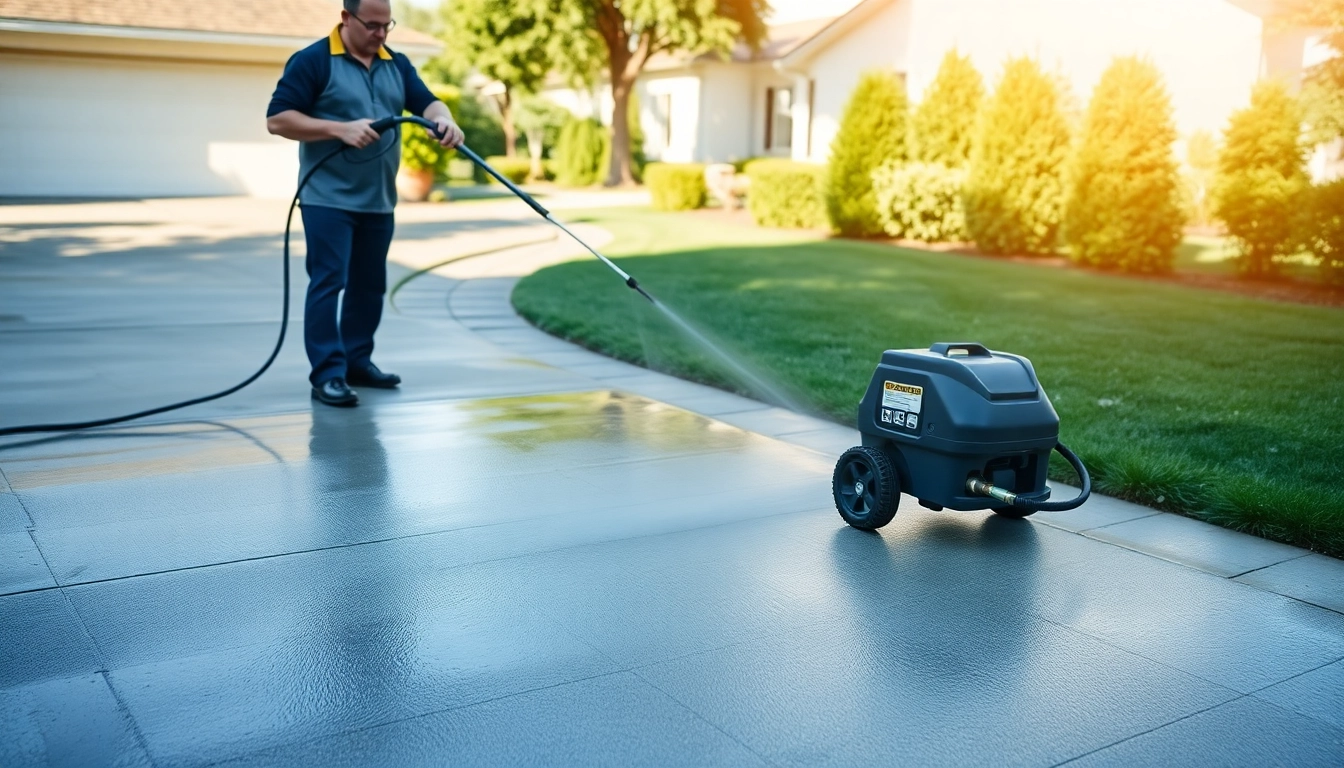
Pressure washing is a highly effective technique for driveway cleaning. Utilizing a high-pressure water spray, this method can remove stubborn stains and debris. The process involves:
- Assessing the driveway material to determine appropriate pressure settings.
- Applying a pre-treatment solution to help lift stains.
- Using a pressure washer, typically set between 1500 and 3000 PSI, to clean the surface.
- Rinsing thoroughly to wash away residue.
Understanding how to apply the correct technique can prevent damage and ensure effective cleaning.
Eco-Friendly Cleaning Solutions
Eco-friendly cleaning solutions are becoming increasingly popular for those concerned about environmental impacts. These alternatives often use biodegradable ingredients that effectively break down dirt and grime without harming surrounding vegetation. Look for products specifically formulated for driveway materials that align with eco-friendly practices to minimize chemicals and pollution.
DIY vs. Professional Services
The choice between DIY driveway cleaning and hiring professional services depends on various factors. DIY cleaning typically involves renting or purchasing equipment, which can be cost-effective for smaller driveways. However, homeowners may lack the expertise or time required for safe and effective cleaning. Professional services bring experience, equipment, and specific cleaning techniques that yield superior results, especially for large, stained, or delicate driveways.
Costs Associated with Driveway Cleaning
Factors Influencing Cleaning Prices
The cost of driveway cleaning can vary based on several factors, including:
- Driveway size: Larger areas will naturally cost more to clean.
- Material type: Different materials require different cleaning methods, affecting costs.
- Location: Geographic location can influence market rates and service availability.
- Condition: Heavily stained or damaged driveways may require extra treatment or repairs, increasing overall costs.
Average Cost of Driveway Cleaning
On average, the cost to have a driveway cleaned professionally ranges from $0.30 to $0.55 per square foot. For a 600 square foot driveway, homeowners might expect to pay between $180 and $330 for a thorough cleaning. Always obtain quotes from multiple service providers to ensure competitive pricing.
Budgeting for Maintenance
When budgeting for driveway maintenance, consider scheduling regular cleanings at least once or twice a year. Factor in potential repairs for cracks or other damages that may surface over time. Establishing a maintenance schedule will keep your driveway looking its best and can save money by preventing more significant repairs down the line.
Choosing the Right Driveway Cleaning Service
What to Look For in a Service Provider
Selecting the right driveway cleaning service can be pivotal for achieving satisfactory results. Here are key aspects to consider:
- Experience: Look for providers with a proven track record in driveway cleaning.
- Insurance: Ensure the company is adequately insured to protect against potential damage or accidents.
- Equipment: Confirm that the service uses modern, efficient cleaning technology.
Customer Reviews and Testimonials
Reading customer reviews can provide valuable insights into a provider's reliability and quality of work. Look for testimonials that specifically mention driveway cleaning to gauge the experiences of previous clients. A history of positive reviews can indicate a dependable service.
Questions to Ask Before Hiring
Before hiring a driveway cleaning service, consider asking the following questions:
- What cleaning methods do you use?
- Are there any additional costs I should be aware of?
- Can you provide references from previous driveway cleanings?
- What guarantees or warranties do you offer for your services?
Maintaining a Clean Driveway Year-Round
Seasonal Maintenance Tips
Maintaining a clean driveway throughout the year requires seasonal attention:
- Spring: Remove debris and apply a sealant to protect against summer heat.
- Summer: Clean regularly to remove grass clippings and dirt.
- Fall: Clear leaves to prevent staining and blockages.
- Winter: Use salt cautiously, as it can damage concrete; consider shoveling instead.
Preventive Measures Against Stains
Preventive measures can reduce the likelihood of stains on your driveway. Consider:
- Applying sealant to protect against oil and stains.
- Using mats or towels in areas where vehicles may leak fluids.
- Regular cleaning of any spills as soon as they occur.
When to Schedule Professional Cleanings
Scheduling professional cleanings at the start or end of each season can help maintain cleanliness throughout the year. Additionally, if you notice any signs of discoloration, staining, or moss growth, it’s best to book a cleaning promptly to avert further issues.
Frequently Asked Questions
What is the best method for cleaning a driveway?
The best method is usually pressure washing, which removes tough stains effectively without damaging the surface.
How often should I clean my driveway?
Driveways should ideally be cleaned once or twice a year, with more frequent maintenance if they are heavily used or stained.
Can I pressure wash my driveway myself?
Yes, but ensure you use the correct pressure settings and methods suitable for your driveway material to avoid damage.
What should I do if there are oil stains on my driveway?
Use a degreaser specific to driveways, scrub the area, and pressure wash it away for effective cleaning of oil stains.
Are there eco-friendly cleaning solutions for driveways?
Yes, many eco-friendly solutions are available that effectively clean driveways without harmful chemicals, ensuring safety for the environment.