Understanding Equipment Service
What Is Equipment Service?
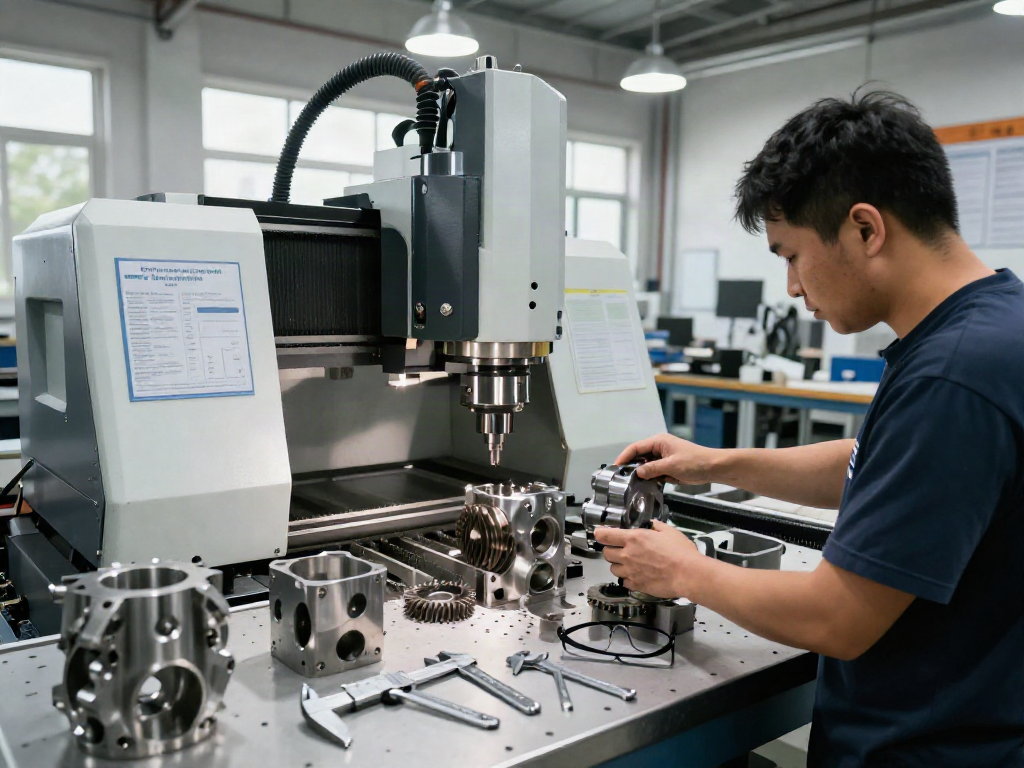
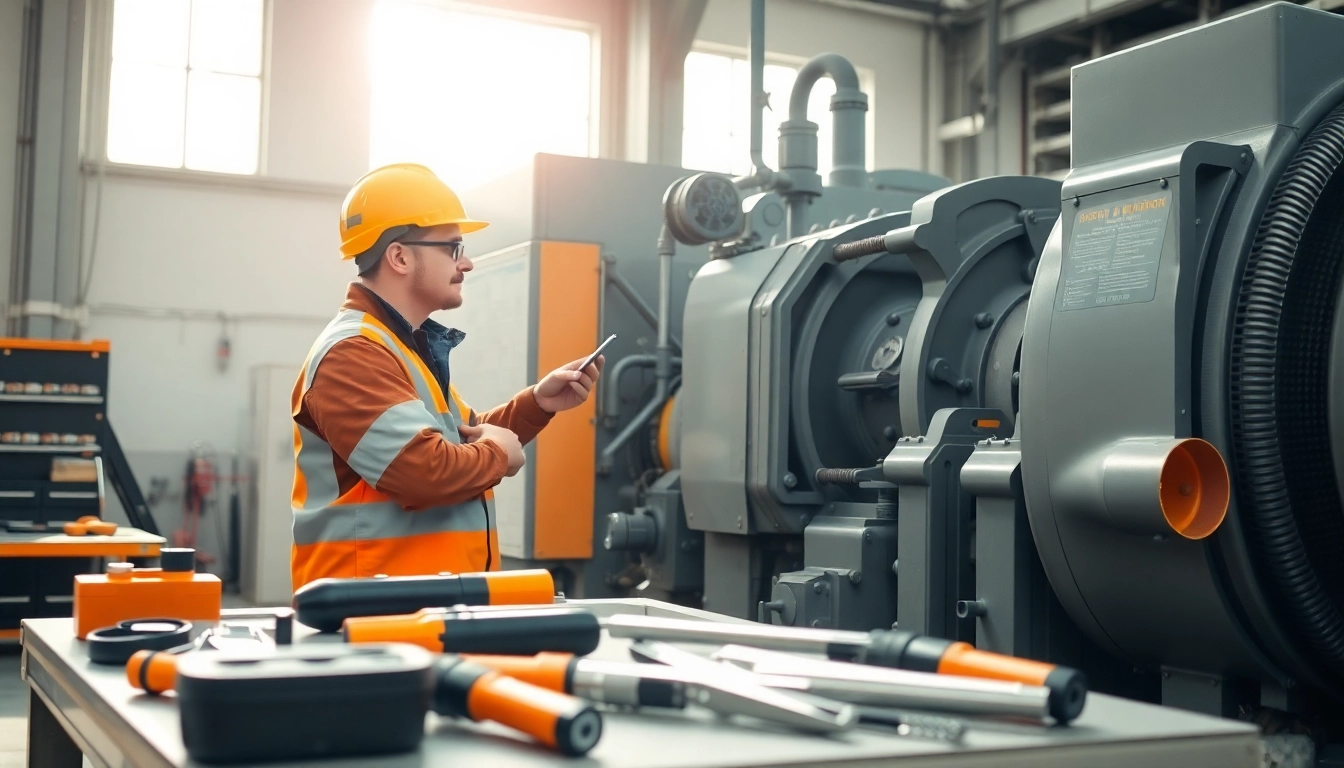
Equipment service is a comprehensive term that encompasses various activities aimed at ensuring that machinery and tools operate at their optimal performance levels. These activities include inspection, maintenance, repair, and adjustment of equipment to prolong its lifespan and enhance productivity. Regular equipment service is crucial across industries, from construction to manufacturing, as it minimizes downtime and operational disruptions.
Importance of Regular Maintenance
Regular maintenance is vital for several reasons. Firstly, it helps to prevent unexpected equipment failures that can lead to costly repairs and downtime. By adhering to a routine maintenance schedule, businesses can identify potential issues early on before they escalate into bigger problems. Secondly, maintaining equipment ensures that it operates efficiently and safely, which complies with health and safety regulations and reduces the risk of workplace accidents. Lastly, regular maintenance can significantly enhance the resale value of equipment by keeping it in excellent condition.
Types of Equipment Services
Equipment services can be broadly categorized into four main types: preventive maintenance, corrective maintenance, predictive maintenance, and condition-based maintenance.
- Preventive Maintenance: This involves routine checks and servicing designed to prevent breakdowns and extend the equipment's lifetime.
- Corrective Maintenance: This takes place after a failure has occurred, involving repairs and possibly replacements to restore equipment functionality.
- Predictive Maintenance: This uses data analysis tools and techniques to predict when equipment failure might occur, allowing for preemptive action.
- Condition-Based Maintenance: This type monitors the actual condition of the equipment to decide when maintenance should be performed, thereby optimizing maintenance schedules.
Choosing the Right Equipment Service Provider
Key Factors to Consider
When selecting an equipment service provider, several factors deserve careful consideration. Experience is crucial; look for providers who have extensive experience in your specific type of equipment. Customer reviews and testimonials can give insights into their reliability and service quality. Additionally, consider the range of services offered, geographical coverage, and whether they provide emergency services. Certifications and partnerships with equipment manufacturers are also signs of credibility.
Evaluating Service Quality
Service quality can be gauged through various metrics. Response times are critical; fast callbacks and the availability of emergency services show a commitment to customer satisfaction. Additionally, inquire about warranties on services performed, as this offers peace of mind regarding the quality of repairs and parts used. It's beneficial to establish a rapport with the service team; communication can often significantly affect service quality.
Comparing Costs
While cost shouldn't be the sole factor, it's essential to consider pricing structures. Obtain quotes from multiple service providers to evaluate their pricing models, which may vary widely. Look for hidden costs associated with emergency service calls, travel, or parts. Remember that the cheapest option is not always the best; consider the value you're getting in terms of quality and responsiveness when making your decision.
Common Equipment Issues and Solutions
Identifying Signs of Trouble
Identifying signs of trouble early can make a significant difference in avoiding more extensive repairs. Common signs include unusual sounds, decreased performance, and error messages on digital displays. If equipment begins to operate less efficiently, it may be time for an inspection. Regular monitoring can help detect these issues before they become critical.
Preventive Maintenance Strategies
Implementing effective preventive maintenance strategies can include daily checks by operators, regular scheduled inspections, adopting a maintenance management software for tracking maintenance schedules, and ensuring that a qualified technician performs seasonal overviews. Creating maintenance logs can also help track the condition and repairs of equipment, providing valuable insights over time.
Repair vs. Replacement Decisions
Deciding between repairing and replacing equipment can be challenging. Consider factors such as the age of the equipment, the extent of the damage, and the cost of repairs compared to the purchase price of a new unit. A general rule of thumb is to consider replacement if repair costs exceed 50% of the equipment's current value. Additionally, newer models may offer advanced technology that enhances efficiency and reduces long-term operational costs.
The Role of Technology in Equipment Service
Innovations in Diagnostic Tools
Technology is evolving rapidly, bringing innovative diagnostic tools that make identifying equipment issues simpler and more precise. Advanced software can detect inefficiencies, while IoT-enabled devices allow for real-time monitoring of equipment status, providing data that can predict failures before they occur. These innovations not only help in extending equipment life but also optimize overall operational efficiency.
Remote Monitoring Capabilities
Remote monitoring has emerged as a valuable tool for service providers and equipment owners alike. It allows technicians to diagnose issues without needing to be physically present, dramatically reducing downtime. By continuously analyzing data and sending alerts when specific thresholds are crossed, businesses can respond rapidly to potential problems, identifying strategies to mitigate risks before they affect operations.
Future Trends in Equipment Maintenance
Looking to the future, equipment maintenance is likely to see a shift towards increased automation, data analytics, and artificial intelligence. Predictive maintenance powered by AI algorithms can offer unprecedented levels of insight, allowing for more targeted interventions. As technology continues to advance, businesses should adapt to these trends to remain competitive, ensuring that their equipment remains in top working order.
FAQs About Equipment Service
What is the meaning of equipment services?
Equipment services refer to activities involved in the upkeep, repair, and maintenance of tools and machinery to keep them operational and safe.
What are the benefits of regular equipment servicing?
Regular servicing prevents unexpected breakdowns, extends the equipment's lifespan, enhances performance, and ensures compliance with safety regulations.
How can I find a reliable service provider?
To find a reliable provider, review customer testimonials, evaluate their experience and provided services, and check for certifications relevant to your equipment.
What types of equipment maintenance are available?
The types of maintenance include preventive, corrective, predictive, and condition-based, each serving a different need in equipment management.
Why is preventive maintenance crucial for equipment?
Preventive maintenance is vital as it reduces unexpected failures, ensures safety, optimizes performance, and prolongs the service life of equipment.