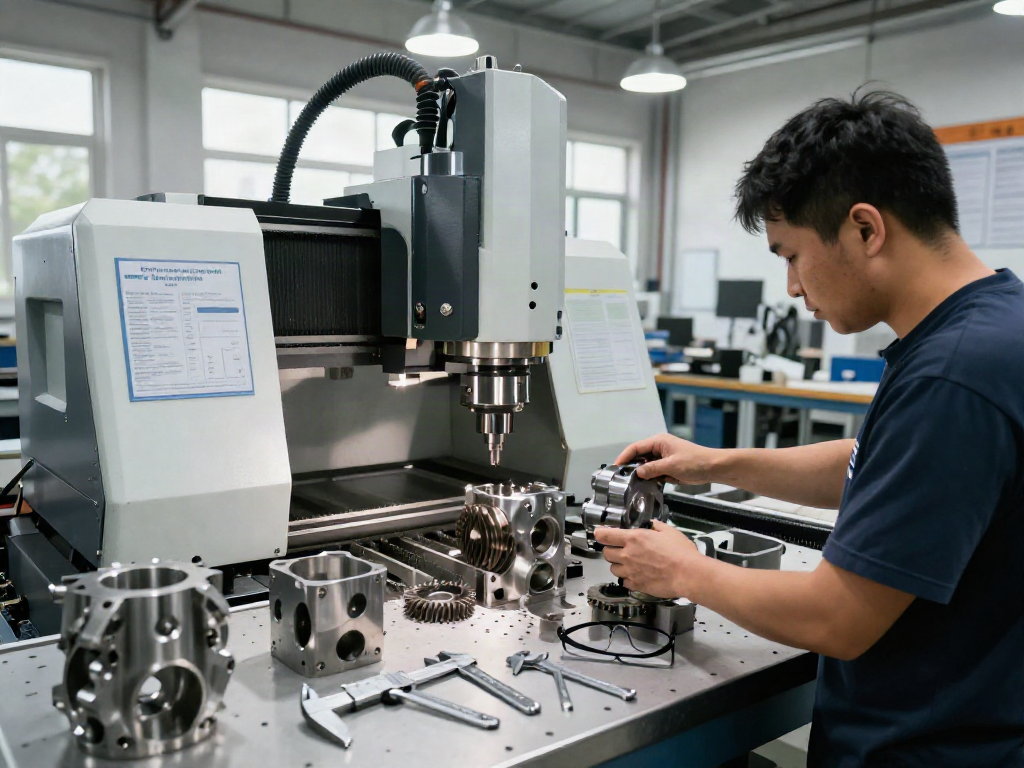
Understanding CNC Machining Parts
CNC machining, or Computer Numerical Control machining, is a pivotal technology in modern manufacturing. It allows for precise and efficient production of parts across various industries. CNC machining parts are utilized in fields ranging from aerospace to medical devices, highlighting their versatility and importance in contemporary manufacturing practices. As industries continue to demand higher precision and faster turnaround times, understanding CNC machining parts and how to choose the right cnc machining parts manufacturer becomes increasingly essential for businesses seeking to maintain a competitive edge.
What are CNC Machined Parts?
CNC machined parts are components manufactured using CNC machining processes. These parts are made from solid materials, such as metals or plastics, where a programmed computer controls the movement of machining tools. This process ensures that each piece is produced with high precision, enabling manufacturers to create complex geometries that would be challenging or impossible using traditional methods.
The Benefits of CNC Machining for Manufacturers
CNC machining offers numerous advantages for manufacturers:
- Precision: CNC machines can achieve tolerances as tight as ±0.001 inches, making them ideal for applications that require exact specifications.
- Efficiency: CNC machining is typically faster than manual processes, allowing for quicker production runs and reduced lead times.
- Flexibility: CNC machines can be quickly reprogrammed for different parts, making them suitable for both small batches and mass production.
- Consistency: Once a CNC program is set up, the quality of parts produced remains uniform, minimizing variations that often occur in manual machining.
Common Materials Used in CNC Machining
Several materials are commonly utilized in CNC machining, each with its unique properties:
- Aluminum: Lightweight and corrosion-resistant, aluminum is a popular choice for parts requiring strength and durability.
- Steel: Known for its strength, steel is often used in applications needing robust parts.
- Plastics: Various plastics like nylon and acrylic are machinable for parts that require insulation or chemical resistance.
- Titanium: This material is favored in aerospace and medical industries for its high strength-to-weight ratio and resistance to corrosion.
Choosing the Right CNC Machining Parts Manufacturer
Key Factors When Selecting a CNC Machining Partner
Selecting the right CNC machining parts manufacturer is critical for ensuring the quality and efficiency of your production. Key factors to consider include:
- Experience: Look for manufacturers with extensive experience in your specific industry.
- Technology: A manufacturer that invests in advanced technology can offer better precision and faster turnaround times.
- Certifications: Ensure the manufacturer holds relevant industry certifications, such as ISO 9001, to guarantee their quality management processes.
Assessing Manufacturer Capabilities and Technologies
It's essential to assess the capabilities and technologies of potential CNC machining partners. Consider the following:
- Machining capabilities: Evaluate their range of machining processes (e.g., milling, turning, drilling) and whether they can accommodate your specific requirements.
- Material capabilities: Confirm that they can work with the materials you need for your parts.
- Software and programming: Assess whether the manufacturer uses advanced CAD/CAM software for design and programming, which can enhance precision and reduce errors.
Quality Control Measures to Look For
Quality control is paramount in CNC machining. Look for manufacturers that implement stringent quality measures, such as:
- In-process inspections: Regular checks during production to ensure specifications are being met.
- Final inspections: Comprehensive assessments of finished parts using tools like CMM (Coordinate Measuring Machines).
- Traceability: A reliable manufacturer should maintain records of production processes to ensure accountability and compliance with standards.
Best Practices in CNC Machining
Design for Manufacturability (DFM) Principles
Implementing Design for Manufacturability (DFM) principles can significantly enhance the efficiency of CNC machining. Key practices include:
- Simplifying designs: Reducing complexity can streamline production, lower costs, and minimize the risk of errors.
- Choosing appropriate tolerances: Setting realistic tolerances can prevent unnecessary machining time and costs.
- Material selection: Opting for materials that are easier to machine can lead to quicker production times.
Optimizing CNC Machining Processes for Efficiency
Enhancing the efficiency of CNC machining processes involves various strategies, such as:
- Tool optimization: Using the right tools and optimizing tool paths can reduce machining time.
- Regular maintenance: Keeping machines in optimal working condition prevents downtime and enhances performance.
- Employee training: Well-trained operators are essential for maximizing machine potential and minimizing errors.
Common Challenges and How to Overcome Them
CNC machining may present several challenges, including:
- Material waste: Proper planning and simulation can help minimize waste during production.
- Tool wear: Regular monitoring and timely tool replacement can prevent quality degradation.
- Programming errors: Implementing robust programming reviews can catch potential errors before production.
Applications of CNC Machined Parts
Industries Relying on CNC Machining Parts
CNC machined parts are integral to various industries, including:
- Aerospace: Components such as brackets, mounts, and housings rely on precision machining for safety and performance.
- Automotive: From engine components to interior fixtures, CNC machining is essential for high-quality automotive parts.
- Medical: The medical industry uses CNC machining for precision instruments, implants, and device housings.
- Electronics: CNC machined parts are critical in manufacturing devices, ensuring tight tolerances and reliability.
Case Studies: Successful CNC Machining Projects
Numerous organizations have successfully integrated CNC machining into their operations. For instance, a prominent aerospace company improved its production efficiency by 30% after switching to a new CNC machining provider that utilized advanced technologies, resulting in higher precision and reduced waste. Similarly, a medical device manufacturer achieved a significant reduction in lead times and costs by adopting CNC machining for custom prosthetic components, showcasing the flexibility and advantages of modern machining.
The Future Trends in CNC Machining Applications
The future of CNC machining is set to be shaped by several evolving trends:
- Smart manufacturing: The integration of IoT (Internet of Things) devices in CNC machines will allow for real-time data monitoring and predictive maintenance.
- Additive manufacturing: Techniques such as 3D printing are beginning to complement traditional CNC processes, expanding design possibilities.
- Sustainability: There will be a growing focus on eco-friendly practices, including material recycling and energy-efficient processes.
Measuring Success in CNC Machining
Key Performance Indicators in CNC Manufacturing
To evaluate the effectiveness of CNC machining operations, manufacturers can employ various Key Performance Indicators (KPIs):
- Production efficiency: Measuring the output relative to input to assess productivity.
- First-pass yield: The percentage of products manufactured correctly the first time without the need for rework.
- Downtime: Tracking machine and process downtime to identify bottlenecks and areas for improvement.
Continuous Improvement Strategies for CNC Operations
Continuous improvement is vital for maintaining competitiveness in CNC machining. Strategies may include:
- Lean manufacturing: Adopting lean principles to eliminate waste and enhance value.
- Employee involvement: Engaging employees in suggesting improvements can foster a culture of continuous enhancement.
- Regular training: Keeping staff updated on the latest technologies and best practices ensures ongoing operational excellence.
Innovations Shaping the Future of CNC Machining
Innovative technologies are expected to revolutionize CNC machining. Developments like AI and machine learning will enable smarter programming techniques, enhancing efficiency and precision. Furthermore, advancements in materials, such as composites and smart materials, will offer expanded applications of CNC machining across diverse industries.
What are the most common challenges in CNC machining?
Some of the typical challenges include managing costs, reducing lead times, and maintaining quality in high-volume production. By implementing robust quality control measures and optimizing machining processes, these challenges can be effectively managed.
How can CNC machining improve production efficiency?
CNC machining enhances production efficiency by offering faster production rates, improved consistency in part quality, and the ability to process complex geometries swiftly. Automated processes reduce the need for manual labor, allowing for greater throughput and lower labor costs.
What materials are optimal for CNC machining?
Optimal materials for CNC machining include metals such as aluminum, steel, and titanium, alongside plastics like nylon and acrylic. Each material has unique properties that suit specific applications, enabling manufacturers to select the best option for their needs.
How do I choose the best CNC machining partner?
Choosing the best CNC machining partner requires evaluating their experience, technology, material capabilities, and quality control measures. Additionally, seeking recommendations or reviewing case studies can provide insights into their reliability and performance.
What industries commonly use CNC machined parts?
CNC machined parts are widely used across various industries, including aerospace, automotive, electronics, medical, and consumer goods. Their adaptability makes them essential in today’s manufacturing landscape.