Understanding the Excavator: Features and Benefits
What is an Excavator?
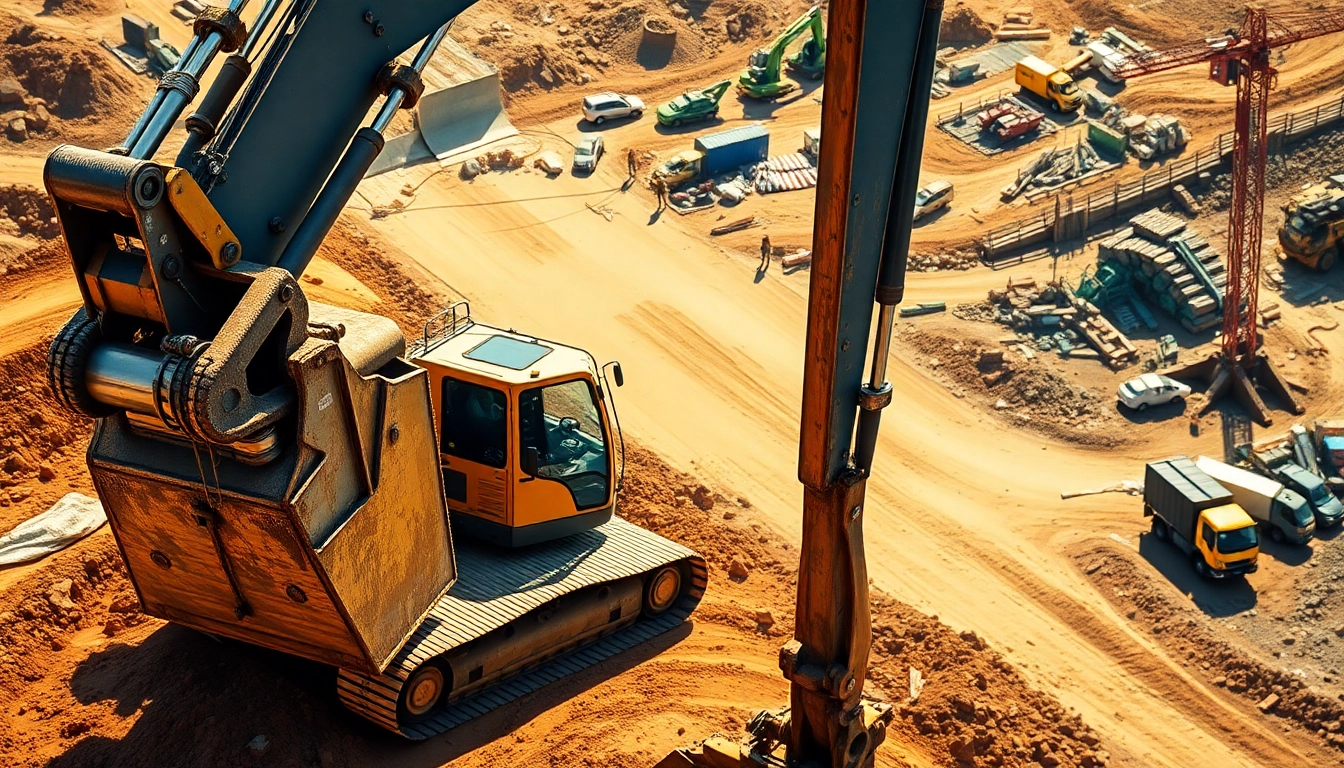
An excavator is a vital piece of heavy construction machinery designed for a variety of earthmoving tasks. Characterized by its long arm and a rotating cab situated on a platform, it is one of the most widely used machines in construction and excavation projects worldwide. Excavators play a crucial role in building foundations, digging trenches, demolition, and material handling, making them essential for both small and large-scale operations.
Modern excavators are equipped with advanced hydraulic systems, allowing them to move heavy materials efficiently. Their versatility enables them to perform tasks across various sectors, including construction, mining, landscaping, and even environmental cleanup. The evolution of excavators has led to the development of numerous specialized models tailored to meet specific operational needs.
Main Components Explained
The anatomy of an excavator comprises several critical components that work together to enhance its functionality:
- Boom: The boom is a large hydraulic arm extending from the main chassis, allowing the excavator to reach far and lift heavy materials.
- Dipper (or Stick): Attached to the boom, the dipper provides the additional reach and allows for precise digging movements.
- Bucket: The bucket is mounted on the end of the dipper, used for scooping, lifting, and transporting materials.
- CAB: This is the operator's cabin, designed for comfort with controls and displays that manage the excavator.
- Undercarriage: The undercarriage, equipped with tracks or wheels, provides stability and mobility across various terrains.
Different Types of Excavators
Excavators come in various types, each designed to cater to specific job requirements:
- Standard Excavators: Commonly used in excavation, lifting, and demolition tasks.
- Mini Excavators: Compact and perfect for confined spaces, ideal for landscaping and small construction tasks.
- Long Reach Excavators: Equipped with extended arms, suited for tasks requiring deeper digging.
- Hybrid Excavators: Combines traditional combustion engines with electric power for improved fuel efficiency and reduced emissions.
Key Considerations When Selecting an Excavator
Assessing Project Requirements
Before selecting an excavator, it is crucial to assess the project's specific requirements. Different projects necessitate different machine capabilities, including depth of excavation, type of material, and site conditions. For instance, if the project involves deep trenching in rocky terrain, a long reach excavator might be more appropriate. Conversely, if the site is restricted, a mini excavator would be ideal.
Excavator Size and Capability
Evaluating the size and capability of an excavator is essential in ensuring efficiency and effectiveness. Excavators are categorized based on size, from compact models that weigh a few tons to larger machines exceeding 100 tons. Consideration must be given to load capacity, arm reach, and digging depth. Matching the excavator size with job demands helps in optimizing performance and minimizing downtime.
Operational Efficiency and Fuel Consumption
Operational efficiency directly impacts project costs and timelines. When selecting an excavator, it's important to analyze fuel consumption rates and performance metrics. Models with advanced hydraulic systems can enhance fuel efficiency while delivering higher productivity. Implementing best practices, such as regular maintenance, can further improve the overall efficiency of the excavator.
How to Maintain Your Excavator for Longevity
Routine Maintenance Practices
Proper maintenance is vital to prolong the lifespan of an excavator. Routine checks should include:
- Regular oil changes and filter replacements
- Inspecting hydraulic systems for leaks
- Checking the undercarriage for wear and tear
- Keeping the cab clean and ensuring controls are functioning properly
Common Troubleshooting Tips
Operators should be equipped to identify and troubleshoot common issues, such as:
- Reduced hydraulic performance indicative of leaks or low fluid levels.
- Unusual noises that may signal mechanical failures.
- Erratic movements suggesting control system problems.
Understanding Excavator Lifespan
The average lifespan of an excavator can range from 10,000 to 20,000 operating hours, but this can vary based on usage and maintenance. Key factors affecting longevity include operating conditions, maintenance frequency, and the quality of the machine. Investing in high-quality equipment and adhering to a rigorous maintenance schedule can yield substantial returns by extending the useful life of the excavator.
Excavator Attachments: Enhancing Functionality
Common Attachments and Their Uses
To maximize the utility of an excavator, various attachments can be employed. Some common attachments include:
- Hydraulic Breakers: Used for demolition tasks and breaking rock.
- Grapples: Ideal for handling bulky materials, such as logs.
- Augers: Suitable for drilling holes in the ground for posts or foundations.
- Thumbs: A clamping tool added to the bucket for better material handling.
Choosing the Right Attachment for Your Job
Selecting the right attachment is crucial for efficiency and success in project execution. It depends on the specific tasks, whether it is digging, lifting, or demolishing. Consulting with equipment experts can provide insights into which attachments are best suited for specific applications, ensuring optimal performance without sacrificing safety.
How Attachments Impact Excavator Performance
Attachments significantly affect an excavator's performance. The right attachment not only aids in completing tasks more effectively but also enhances the machine's versatility. This versatility can lead to cost savings by allowing a single excavator to handle multiple functions without the need for additional equipment.
FAQs About Excavators
What is the average cost of an excavator?
The cost of an excavator can range significantly based on size and features, typically between $100,000 and $500,000 for new models.
How deep can an excavator dig?
Excavators can dig depths from 5 to over 20 feet, depending on the model and configuration used.
What safety measures should be taken when operating an excavator?
Always use seat belts, check surroundings, and follow protocol for safe operation around people and equipment.
What are the signs of an excavator needing repairs?
Noises, leaks, or reduced performance can indicate the need for repairs. Regular inspections are vital.
Can an excavator be used for landscaping?
Yes, excavators are excellent for landscaping tasks such as grading and moving large amounts of soil or rock.
Contact Information
Call Us: 4062607988Address: 3906 MT-40, Columbia Falls, MT 59912