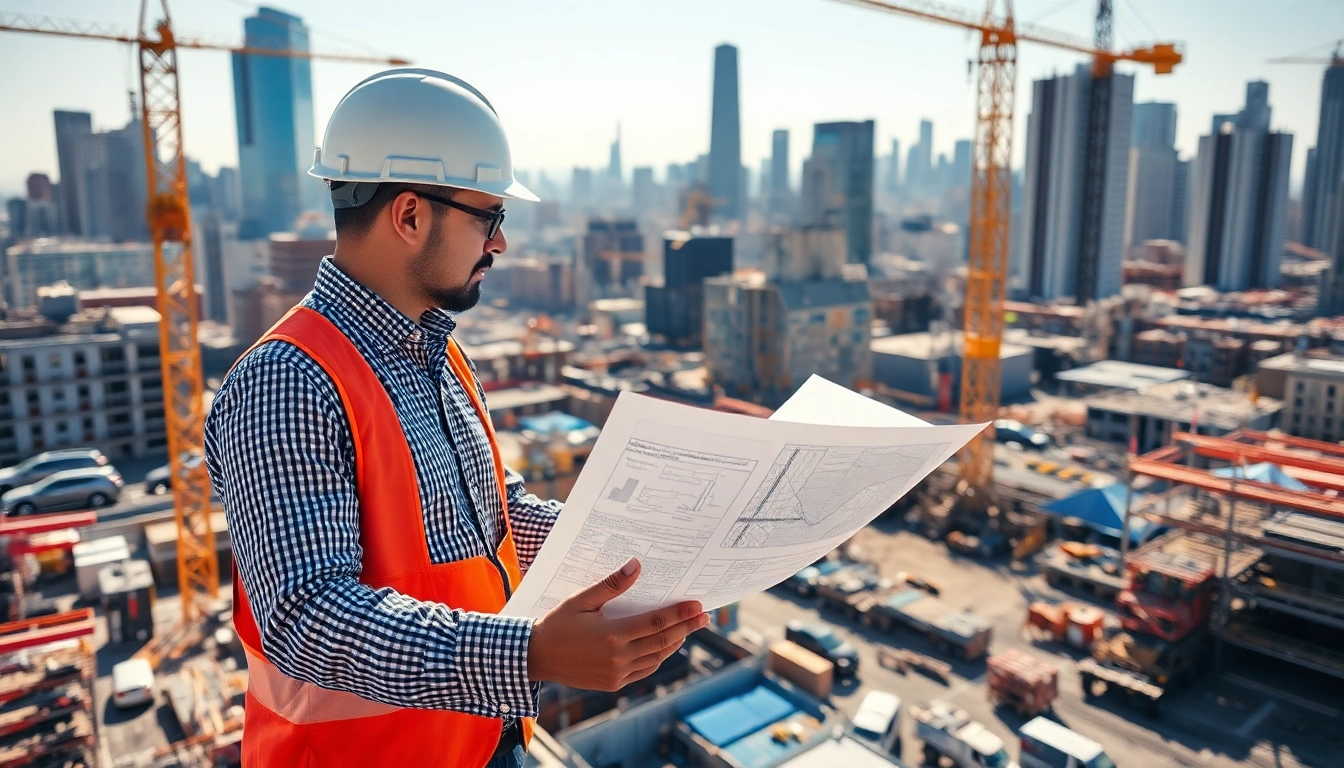
Understanding the Manhattan Construction Manager
Definition and Overview
A Manhattan Construction Manager plays a crucial role in overseeing construction projects within one of the most bustling urban environments in the world. This role encompasses the coordination of various elements necessary for successful project delivery, integrating planning, budgeting, and execution processes. With their unique blend of managerial skills and construction knowledge, these professionals ensure that projects align with client goals and industry standards. The goal is to maintain high-quality work while adhering to strict timelines and budgets. This unique multi-faceted role makes the Manhattan Construction Manager indispensable to the city's development landscape. For detailed information about their operations, the Manhattan Construction Manager can be a valuable resource.
Key Responsibilities
The role of a Manhattan Construction Manager involves diverse responsibilities. Initially, they must meet with project stakeholders to establish clear project goals. They are also in charge of budgeting, where they allocate financial resources, forecast costs, and ensure that spending stays within the limits. Project scheduling is another critical duty, entailing the creation and management of timelines to ensure that phases of the project are completed as planned.
Moreover, these managers oversee construction activities on-site, coordinating with contractors and subcontractors to maintain fluid communication and efficiency. They are responsible for enforcing safety standards and compliance with regulations, minimizing risks associated with construction work. Additionally, Manhattan Construction Managers deal with issues that arise during the process, often requiring problem-solving and quick decision-making skills.
Importance in Project Success
The importance of a Manhattan Construction Manager cannot be overstated, as they are often the linchpins in the delivery of successful construction projects. Their ability to communicate effectively across different levels—from laborers on-site to executives in the boardroom—facilitates smooth operations. By ensuring that each aspect of the construction project is in alignment with plans, they contribute significantly to minimizing delays and preventing cost overruns.
Furthermore, the managerial oversight involved is crucial for maintaining quality standards. When challenges arise, a competent construction manager can pivot strategies, troubleshoot issues, and redirect resources appropriately, fundamentally contributing to a project's overall success. Given the complexities of urban construction, recognizing their value can lead to a significant increase in successful project outcomes.
Essential Skills of a Manhattan Construction Manager
Leadership and Communication
Leadership is a foundational skill for any Manhattan Construction Manager. They are tasked with guiding teams toward achieving important project milestones. Effective communication is equally important; managers must relay instructions clearly and listen actively to feedback from workers, stakeholders, and clients. This two-way communication fosters an environment of collaboration, which can enhance productivity and morale on the job site. Moreover, being able to negotiate effectively can help construction managers resolve conflicts and secure favorable outcomes when disputes occur.
Project Management Skills
Project management techniques are essential in ensuring that all elements of a construction project work harmoniously. A Manhattan Construction Manager must be skilled in various methodologies, such as Agile and Waterfall, to manage tasks efficiently. Effective scheduling and resource allocation further define their role, making knowledge in project management software essential. Skills in risk management are also crucial as they allow managers to foresee potential barriers and prepare mitigation strategies in advance, ensuring that the project remains on track.
Technical Proficiency
Technical proficiency is increasingly becoming an integral requirement for construction managers. Given the rise of construction technology, familiarity with tools like Building Information Modeling (BIM) software is vital. This digital proficiency extends beyond software to encompass an understanding of materials, structures, and systems used in construction. Managers who possess solid technical knowledge can evaluate job performance more effectively and contribute innovatively to project execution.
The Role of Technology in Construction Management
Project Management Software Tools
The landscape of construction management is being transformed by technology, particularly through project management software tools. These platforms provide functionalities that streamline various project phases, from initial planning to final execution. Software such as Procore or Microsoft Project allows Manhattan Construction Managers to create real-time schedules, manage budgets, and monitor project progress effectively. The ability to compile data analytics from these tools also promotes informed decision-making, helping managers detect trends and adapt accordingly.
Building Information Modeling (BIM)
Building Information Modeling (BIM) is revolutionizing how construction projects are designed and executed. It facilitates a 3D visualization of projects, which helps stakeholders understand spatial relations and design implications more clearly. For Manhattan Construction Managers, the utilization of BIM enhances collaboration among architects, designers, and contractors, reducing the chances of miscommunication and errors during the construction phase. As a result, BIM contributes to higher efficiency and lower costs associated with reworks or design changes.
Drones and Site Management
Employing drones for site management is another key technological advancement impacting the role. Drones can conduct aerial site surveys, providing valuable data about project progress and land evaluations. This capability allows for real-time monitoring of construction sites without the need for extensive man-hours dedicated to traditional inspection methods. Drones can help Manhattan Construction Managers assess site conditions, track progress against timelines, and provide stakeholders with visual updates, enhancing transparency throughout the project lifecycle.
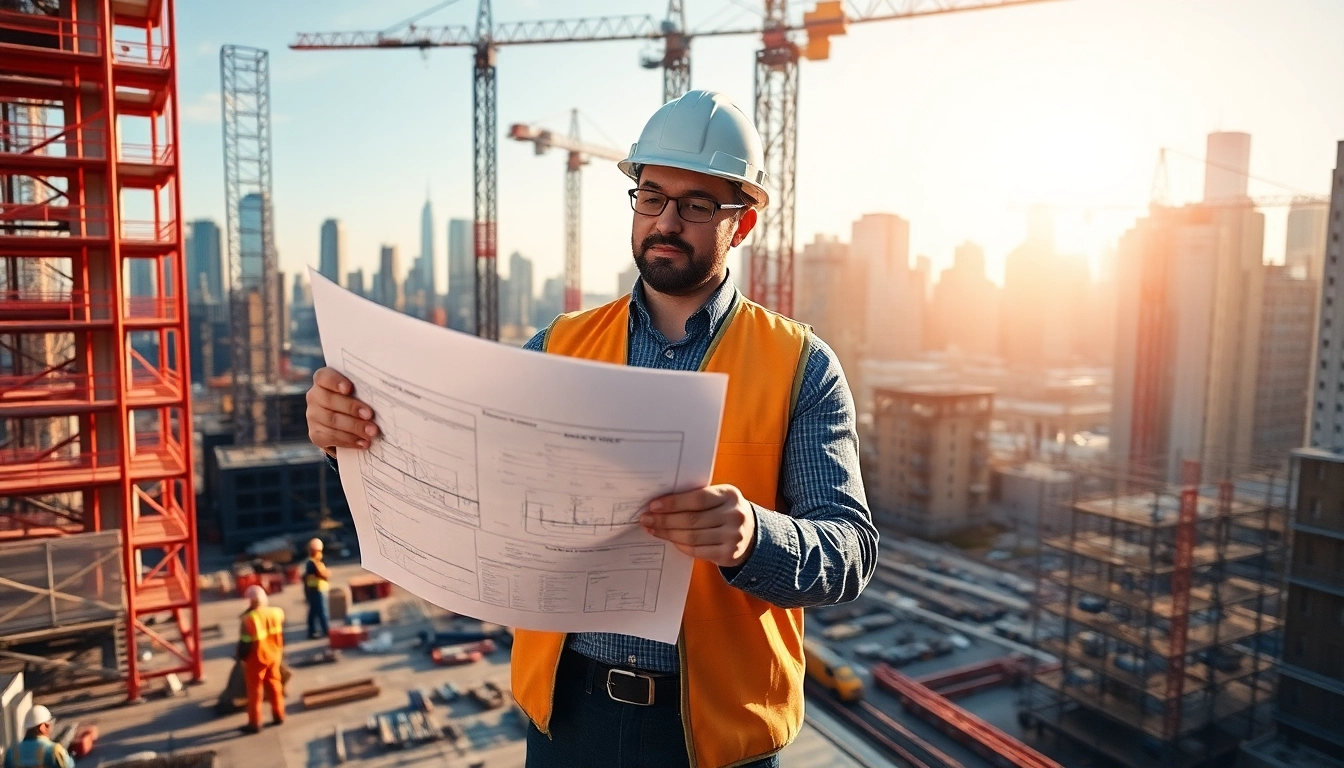
Challenges Faced by Manhattan Construction Managers
Budget Constraints
Working within budget constraints is an ever-present challenge for Manhattan Construction Managers. Undertaking projects in an urban environment often incurs increased costs for materials, labor, and permits. To navigate this challenge, construction managers must conduct rigorous budgeting and forecasting, constantly seeking cost-effective solutions without compromising quality. Implementing lean construction practices and negotiating favorable terms with suppliers can lead to significant savings that keep projects under budget.
Regulatory Compliance Issues
Regulatory compliance is a crucial area of concern. Different projects may need various permits or compliance with local building codes and safety regulations. A thorough understanding of these regulations aids Manhattan Construction Managers in preventing costly delays or fines. Regular training and updates on compliance legislation are necessary to ensure adherence to evolving standards and practices, safeguarding both the project and the company’s reputation.
Labor Management
Labor management is another major challenge for Manhattan Construction Managers, especially in a city with a competitive construction market. Recruiting, retaining, and managing skilled labor can be difficult due to undercurrents such as labor shortages or high turnover rates. Effective workforce management strategies—including training programs, employee engagement initiatives, and maintaining strong relationships with labor unions—can enhance productivity and foster a more stable workforce, ultimately contributing to successful project delivery.
Future Trends for Manhattan Construction Managers
Sustainability Practices in Construction
Sustainability practices will play an increasingly vital role in construction management. As environmental concerns mount, Manhattan Construction Managers will need to prioritize eco-friendly building materials and sustainable construction practices. This focus will not only address growing regulatory demands but also align with societal expectations for responsible development. Implementing renewable energy sources, sustainable water management techniques, and energy-efficient designs will become essential components of project planning.
Smart Building Technologies
The rise of smart building technologies will further transform construction management. Integrating Internet of Things (IoT) devices, automated systems, and advanced energy management solutions will demand that Manhattan Construction Managers embrace innovation. Implementing these technologies enhances efficiencies, reduces operational costs, and improves the overall user experience within buildings, aligning construction practices with modern smart city initiatives.
Adapting to Urbanization Challenges
As urbanization continues to grow, Manhattan Construction Managers will face new challenges related to infrastructure development and urban density. Managing limited space while delivering high-quality, compliant builds will be a complex task. Adopting innovative design techniques, such as modular construction, can provide solutions to these challenges, allowing for increased efficiency and scalability within urban environments. Managers will need to remain agile, adapting their strategies to successfully navigate the evolving landscape of urban construction.
Frequently Asked Questions
What qualifications do I need to become a Manhattan Construction Manager?
Typically, a bachelor's degree in construction management, civil engineering, or architecture is required, alongside hands-on experience in construction projects and leadership roles.
What is the average salary of a Manhattan Construction Manager?
As of recent data, the average annual salary for a Manhattan Construction Manager is approximately $110,000, with factors like experience and project scope influencing earnings.
What software tools are commonly used by construction managers?
Common software tools include Procore for project management, AutoCAD for design, and Microsoft Project for scheduling and resource allocation.
How can managers ensure safety on construction sites?
Managers can ensure site safety by conducting regular training sessions, enforcing safety protocols, and utilizing technology for real-time safety monitoring.
What are current trends in construction management?
Current trends include increased use of sustainability practices, smart building technologies, and digital tools to improve project efficiency and safety.