Understanding the Unique Challenges of Wind Turbine Blade Transportation
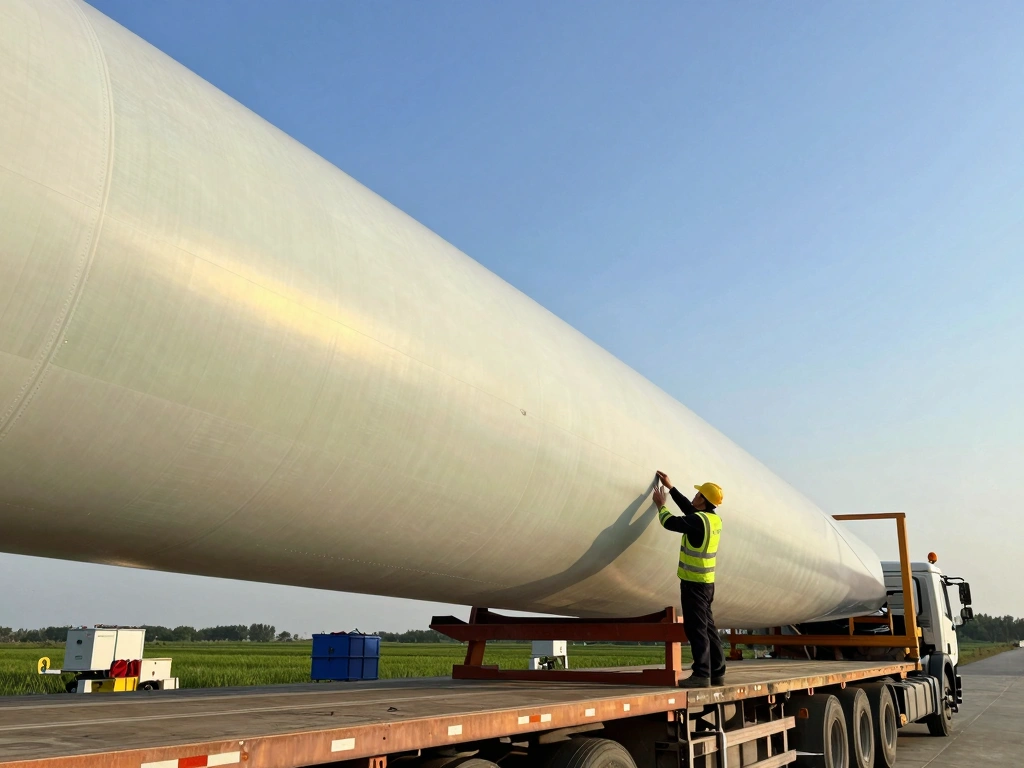
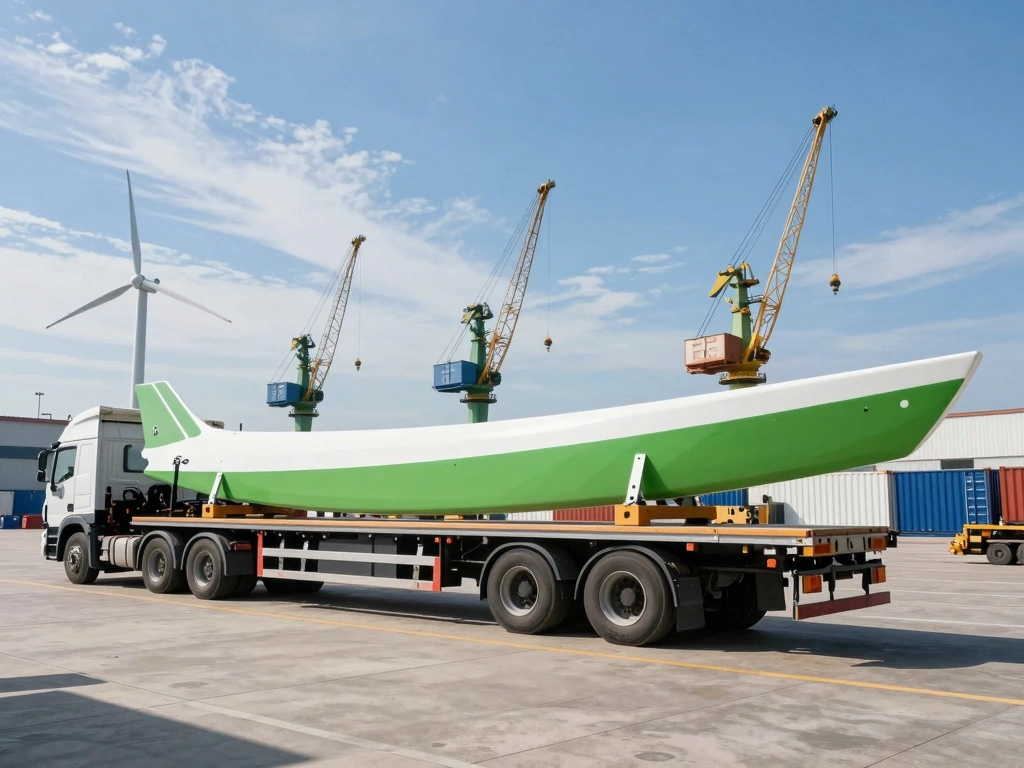
Wind turbine blades are among the largest manufactured products in the world, often measuring over 60 meters in length and weighing several tons. This makes their transportation a complex challenge that requires careful planning and execution. Understanding the unique challenges associated with wind turbine blade transportation logistics is essential for optimizing efficiency and minimizing costs.
Dimensions and Weight Considerations
The sheer size and weight of wind turbine blades present significant logistical challenges. For instance, a single blade can weigh between 15 to 30 tons, and transporting such massive structures requires specialized vehicles. These vehicles must have long trailers and be equipped with steering capabilities to navigate tight corners and roadways. Moreover, the dimensions of the blades can lead to limitations in transportation routes. Many roads and bridges are not designed to accommodate oversized loads, which often necessitates the use of specific highways or the acquisition of special permits. In some cases, transportation companies may need to coordinate with local authorities to temporarily close roads or reroute traffic, further complicating logistics.
Environmental Factors Impacting Transportation
Environmental conditions can also greatly affect the transportation of wind turbine blades. Weather-related challenges, such as strong winds, heavy rain, and snow, can delay shipments and increase safety risks. For example, transporting blades during high winds can be hazardous, requiring transport companies to monitor weather forecasts closely and adjust schedules accordingly. Furthermore, geographical features such as mountains, rivers, and urban areas can pose additional obstacles. Transporting blades through mountainous regions may require specialized equipment to navigate steep gradients, while urban areas may have restrictions on transport hours to minimize disruption.
Regulatory Compliance and Permitting Issues
Regulatory compliance is another critical aspect of wind turbine blade transportation logistics. Each jurisdiction has its own regulations regarding oversized loads, which can vary significantly from one location to another. For instance, in the United States, state regulations dictate the maximum allowable dimensions and weight for transport vehicles, necessitating extensive planning to ensure compliance. Obtaining the necessary permits can be time-consuming and may involve multiple agencies. Companies must often provide detailed route plans and safety measures to secure these permits, which can delay transportation schedules. For example, in California, the permitting process for oversized loads can take several weeks, impacting project timelines.
Innovative Transportation Methods for Wind Turbine Blades
To address the challenges associated with wind turbine blade transportation, innovative methods and technologies are being developed and implemented within the industry. These solutions aim to enhance efficiency and reduce costs while ensuring safe delivery.
Specialized Transport Vehicles and Equipment
The use of specialized transport vehicles is a fundamental aspect of wind turbine blade logistics. Companies are increasingly utilizing custom-built trailers designed specifically for blade transportation. An example of this is the use of extendable modular trailers that allow for the length of the trailer to be adjusted based on the blade size. These trailers are equipped with advanced steering systems, enabling them to navigate tight spaces and complex routes. For instance, the use of self-propelled modular transporters (SPMTs) has become common in transporting blades. SPMTs can carry heavy loads while allowing for precise maneuverability, making them ideal for challenging transportation scenarios.
Use of Modular Transportation Solutions
Modular transportation solutions offer a flexible and efficient approach to blade logistics. These systems allow for the transportation of multiple components in a single trip, reducing the number of trips needed and thereby lowering costs. For example, a modular transport system can be used to carry not only the blades but also the turbine nacelle and tower sections, optimizing space and resources. This approach is particularly effective for projects with multiple turbines, as it allows for a coordinated delivery of all components, minimizing downtime and maximizing efficiency. Companies like Siemens Gamesa have successfully implemented modular transportation solutions to streamline their logistics processes.
Integration of Technology in Logistics Planning
The integration of technology into logistics planning is revolutionizing the transportation of wind turbine blades. Advanced software solutions enable companies to optimize routes, track shipments in real-time, and analyze data for continuous improvement. Tools like Geographic Information Systems (GIS) can be employed to assess potential routes based on factors such as road conditions, traffic patterns, and environmental constraints. Moreover, using drones for site surveys and route assessments has become increasingly popular. Drones can provide valuable aerial views of potential transportation routes, helping companies identify obstacles and plan more effectively. This technology not only enhances efficiency but also contributes to safer transportation practices.
Route Optimization for Efficient Blade Delivery
Route optimization is a critical element in ensuring the timely and safe delivery of wind turbine blades. By carefully planning routes, companies can reduce transportation costs and improve overall logistics efficiency.
Geographical Challenges and Solutions
Geographical challenges, such as mountainous terrain or urban congestion, can complicate transportation routes for wind turbine blades. To mitigate these challenges, logistics planners must conduct comprehensive analyses of potential routes, considering factors like road capacity, bridge weight limits, and construction zones. One effective solution is to utilize alternative routes that may be less direct but offer better road conditions and fewer obstacles. For instance, during the transportation of blades from a manufacturing facility in the Midwest to a wind farm in Texas, logistics planners identified a less traveled highway that allowed for safer passage through hilly terrain, ultimately saving time and reducing costs.
Utilizing Data Analytics for Route Planning
Data analytics plays a vital role in route optimization for wind turbine blade transportation. By leveraging historical data on transportation processes, companies can identify patterns and trends that inform future logistics decisions. For example, analyzing past transportation times, delays, and road conditions can help logistics planners select the most efficient routes for future shipments. Additionally, predictive analytics can be employed to anticipate potential delays caused by weather or traffic conditions, allowing companies to adjust their plans proactively. This data-driven approach enhances decision-making and contributes to more efficient logistics operations.
Case Studies of Successful Route Optimization
Several companies have successfully implemented route optimization strategies to enhance their wind turbine blade transportation logistics. For instance, GE Renewable Energy conducted a project in which they transported blades from their manufacturing facility in South Dakota to a wind farm in Iowa. By utilizing advanced route optimization software, they identified a route that not only minimized travel time but also reduced the risk of encountering road closures and construction zones. The result was a 15% reduction in transportation costs and a significant decrease in delivery time, demonstrating the value of strategic route planning. Such case studies highlight the importance of continuous improvement and innovation in logistics processes.
Collaboration Across Stakeholders in Blade Transportation
Effective transportation logistics for wind turbine blades often requires collaboration among multiple stakeholders. By fostering partnerships and coordination, companies can enhance efficiency and streamline their logistics operations.
Partnerships with Transportation Companies
Building strong partnerships with specialized transportation companies is essential for successful wind turbine blade logistics. These companies possess the expertise and resources necessary to navigate the complexities of oversized load transportation. For instance, companies like A.P. Moller-Maersk have extensive experience in handling large-scale logistics projects, making them valuable partners in blade transportation. Additionally, collaborating with transportation companies allows for shared resources and knowledge, which can lead to improved efficiency and reduced costs. For example, joint ventures can be established to co-develop transportation solutions tailored to specific projects, ensuring that all parties benefit from the collaboration.
Coordination with Local Authorities and Agencies
Coordinating with local authorities and regulatory agencies is a critical aspect of successful wind turbine blade transportation. Engaging with these stakeholders early in the planning process can help identify potential roadblocks and streamline the permitting process. For example, some companies have established regular communication channels with local transportation agencies to ensure alignment on logistics plans and compliance with regulations. Such coordination can help mitigate delays associated with permit acquisition and road closures. Furthermore, by involving local authorities, companies can foster goodwill and support for their projects, which can be invaluable in navigating community concerns.
Engaging Suppliers and Manufacturers for Efficiency
Engaging suppliers and manufacturers in the logistics planning process can lead to improved efficiency in blade transportation. Collaborating with these stakeholders allows for better alignment of production schedules and transportation timelines. For instance, by coordinating with blade manufacturers, transportation companies can ensure that logistics are in place for timely delivery as soon as blades are produced. This proactive approach minimizes the risk of delays and ensures that logistics plans are well-integrated with manufacturing processes. Additionally, it allows for more accurate forecasting of transportation needs, contributing to more efficient resource allocation.
Future Trends in Wind Turbine Blade Transportation Logistics
As the wind energy industry continues to grow, several trends are emerging that will shape the future of wind turbine blade transportation logistics. These trends are driven by advancements in technology, increasing demand for sustainability, and evolving market dynamics.
Emerging Technologies and Their Impact
Emerging technologies are poised to transform wind turbine blade transportation logistics. Innovations such as autonomous vehicles and advanced robotics could significantly enhance efficiency and safety in the transportation process. For example, autonomous trucks equipped with cutting-edge navigation systems could one day handle the transportation of wind turbine blades, reducing the need for human drivers and minimizing the risk of accidents. Furthermore, the integration of blockchain technology could enhance transparency and traceability in the supply chain, allowing for real-time tracking of shipments and improving overall logistics management.
Sustainability Practices in Transportation
Sustainability is becoming an increasingly critical focus in the wind energy sector, and transportation logistics are no exception. Companies are exploring eco-friendly transportation methods, such as using electric or hybrid vehicles for shorter hauls. For instance, a company might implement a fleet of electric trucks for local transportation of turbine blades, significantly reducing their carbon footprint. Additionally, optimizing routes to minimize fuel consumption and emissions is a key consideration for logistics planners. By utilizing data analytics to assess fuel efficiency, companies can make informed decisions that align with sustainability goals.
Anticipating Changes in Wind Energy Market Dynamics
The wind energy market is evolving rapidly, driven by factors such as technological advancements, policy changes, and growing demand for renewable energy. As the market shifts, logistics practices must adapt accordingly. For instance, an increase in offshore wind farm development will require new transportation strategies to handle blades that need to be transported over water. Logistics companies will need to anticipate these changes and develop flexible strategies to accommodate the growing complexity of wind turbine blade transportation. This may involve investing in new equipment, forging partnerships with maritime transport providers, and continuously innovating logistics processes.