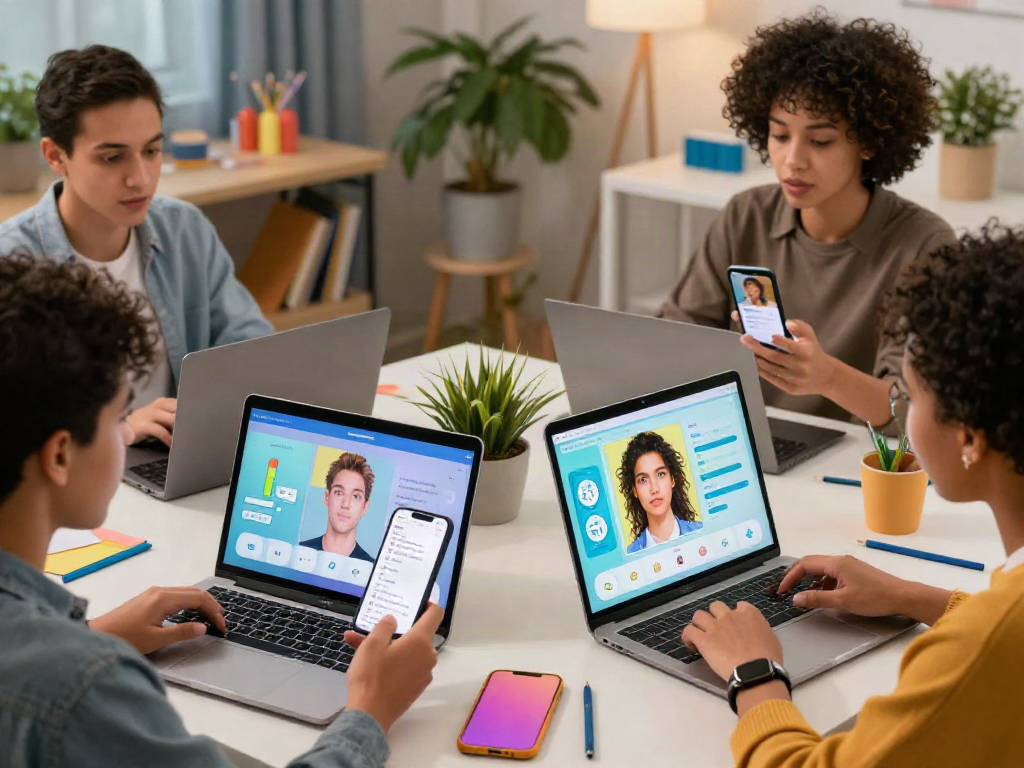
The Science Behind Facial Age Estimation
The quest to determine how old one appears has intrigued humanity for ages, combining curiosity with a desire for self-awareness. With the advent of advanced technology, particularly artificial intelligence, estimating facial age has transitioned from guesswork to a structured analytical process. In this article, we delve into the science that underpins facial age estimation, exploring its methodologies, technological advancements, and practical applications.
Understanding the Aging Process
Before we can appreciate how we can estimate our perceived age through technology, it is essential to understand the biological and environmental factors that contribute to aging. Age-related changes in the skin involve a decline in collagen production, which affects elasticity, and the degradation of hyaluronic acid, leading to decreased moisture retention. Additionally, external factors such as sun exposure, smoking, and dietary choices can accelerate these changes, creating a complex interplay that influences our facial appearance.
How AI Technology Analyzes Your Features
AI technology, specifically machine learning algorithms, processes vast datasets of facial images to understand the characteristics associated with different ages. By analyzing features such as skin texture, wrinkles, facial symmetry, and pigmentation, these algorithms can predict a person's biological age with remarkable accuracy. This process often involves training AI models on thousands of images, enabling them to recognize patterns that are less visible to the human eye, thus enhancing the estimation process.
Comparing Traditional vs. Modern Methods
Traditional methods of age estimation often relied on subjective assessments by dermatologists or experienced practitioners who would analyze a person’s skin and overall appearance. While these methods can provide insights, they lack the consistency and precision that technology offers. Modern approaches, particularly those using AI, enhance accuracy by minimizing human error and bias, making them preferable in various contexts. As technology evolves, the ability to estimate how old do I look has become more accessible than ever before.
User Experience and Privacy Concerns
As users engage with age estimation tools, understanding the user experience and associated privacy concerns is crucial. Platforms that offer these services not only provide a fun way to engage with one's image but also raise questions about data handling and user trust. When exploring options, how old do i look provides comprehensive insights into both usage and privacy, ensuring users are informed and secure.
What to Expect When Using Age Estimator Apps
Using an age estimator app is relatively straightforward: users upload a clear image of their face, and the app processes it to give an estimated age range. Most applications offer a user-friendly interface and quick feedback, making them appealing for casual users. However, accuracy can vary based on the app's technology and the quality of the uploaded image, so it’s vital to choose reputable apps.
Protecting Your Privacy in the Digital Age
With the rise of AI technology comes significant concern regarding user privacy. Individuals often worry about how their biometric data may be used or stored. Responsible applications will inform users about their data protection policies, ensuring transparency. Opting for platforms that prioritize user confidentiality is essential in maintaining personal security while utilizing these fun tools.
Common Misconceptions About Data Usage
Many users harbor misconceptions about how their data is used once uploaded to an application. While some believe their images are stored permanently for analysis, reputable apps typically use images temporarily for processing and then delete them. Understanding these processes and choosing tools that respect user privacy can enhance trust in age estimation technologies.
Choosing the Right Age Estimation Tool
With numerous age estimation apps available, selecting the right one can be daunting. It's essential to consider various features and establish which tools best suit individual needs.
Features to Look for in Age Estimation Apps
- User-Friendliness: The app should have an intuitive design, making it easy for all ages to navigate.
- Privacy Policies: Look for applications that clearly state their data protection practices.
- Accuracy: Research user reviews and expert opinions to gauge the reliability of the app’s estimations.
- Additional Features: Some apps offer fun filters and options for social media integration, enhancing user engagement.
Reviewing Popular Tools: Pros and Cons
Each age estimation tool has unique functionalities. For instance, some emphasize facial analysis, while others might incorporate additional beauty metrics. Reviewing the pros and cons of popular tools can help potential users make informed decisions. Following user feedback can provide insights into real-world performance, which is invaluable when choosing the right app.
How to Use These Tools Effectively
To maximize the benefits of age estimation apps, users should follow best practices such as ensuring adequate lighting during photo uploads, maintaining a neutral facial expression, and using high-resolution images. This attention to detail can significantly influence the accuracy of the age estimation, leading to a better user experience.
Real-Life Applications of Age Estimation
Beyond sheer curiosity, age estimation technologies have found relevance in various sectors, from social media trends to marketing strategies.
Social Media Trends and Age Filters
Age estimation tools have become a popular feature on social media platforms, allowing users to engage in playful discussions around aging and beauty standards. Filters that allow users to see how they might look at different ages have become viral trends, adding an element of fun to users' social interactions. However, it’s essential to approach these trends critically, understanding that online representations can be misleading.
Impact on Self-Perception and Confidence
Engaging with age estimation tools can have profound effects on self-perception. For some, seeing a younger or older estimation can enhance feelings of confidence or lead to self-reflection about aging. It’s important for users to engage with these tools mindfully and to consider how they impact their emotional well-being.
Age Estimation for Marketing and Advertising
Marketers leverage age estimation technology to target their audiences more effectively. By understanding the demographics that engage with their products, companies can tailor their advertising strategies significantly. This use of data-driven insights is increasingly crucial in competitive markets.
Future of Age Estimation Technology
The field of age estimation is rapidly evolving, with numerous advancements on the horizon that promise even greater accuracy and user engagement.
Upcoming Innovations in AI and Facial Recognition
Future innovations may include enhanced algorithms that not only estimate age but can also predict how lifestyle choices might affect aging patterns. These advancements could provide further insights into personal health and wellness, ultimately allowing users to make informed decisions that positively influence their longevity.
Ethical Considerations in Age Analysis
As technology improves, so do ethical considerations regarding its use. Ensuring that these tools aren't misused or promote unrealistic standards of beauty will be paramount. It is essential for developers to incorporate ethical guidelines into the design of their applications while maintaining user trust and safety.
Expectations for 2026 and Beyond
Looking ahead to 2026, we can expect age estimation technology to integrate more seamlessly with everyday applications, becoming a standard feature in numerous contexts. With a growing emphasis on privacy and ethical considerations, developers will need to balance innovation with responsibility.
What tools can help me find out how old do I look?
Several applications now offer instant age estimations based on facial features. Popular tools include AI-powered platforms that provide detailed analyses and predictions based on high-resolution images. Users can compare features, seek advice from professionals, and explore various apps to find one that suits their needs.
Are age estimation apps accurate?
While many age estimation apps deliver impressive results, accuracy can vary widely. It is essential to choose reputable applications and consider factors such as user feedback, the technology used, and individual differences in facial aesthetics. Cross-referencing results across different platforms can provide a more rounded perspective.
How does facial recognition technology work?
Facial recognition technology employs machine learning algorithms to analyze and interpret facial features. Images are converted into numerical representations, allowing the technology to recognize and categorize faces. Understanding the mechanics behind this technology can enhance users' appreciation of the capabilities and limitations of age estimation tools.
Can I trust my data with age apps?
Trusting apps with biometric data is a significant concern for many users. Opting for applications with transparent privacy policies and strong data protection measures is essential. Users should take the time to read through these policies to ensure their data is handled securely and responsibly.
What are the best age guessing apps in 2026?
As the field of age estimation continues to evolve, new apps are consistently entering the market. Leading contenders will likely prioritize user experience, data privacy, and accuracy, making it essential for users to stay informed about the latest offerings. Regular research and comparison of user reviews will aid in identifying top-performing apps tailored to individual preferences.